
Waggoner: Firsts In Science – Around the Americas, Funds Needed for More
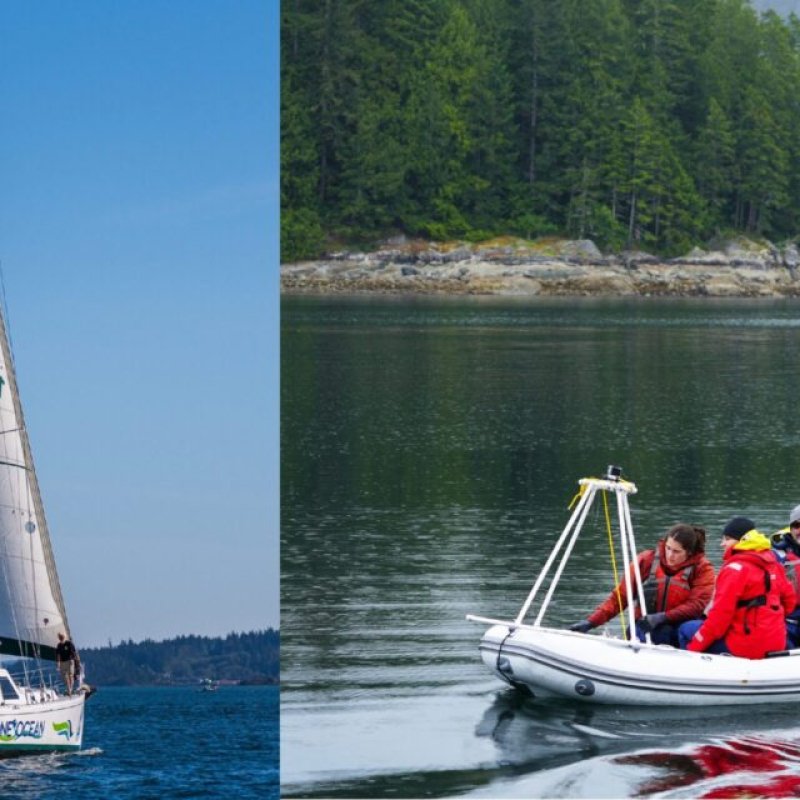
Reposted with permission from Waggoner Nov 30, 2024. Original article . There have been significant, noteworthy firsts in science thanks to the crew of s/v One Ocean and the Around the Americas Expedition. Thanks to their on-board meteorological station, microSWIFT buoy drops, polar observations
So, What’s Next?
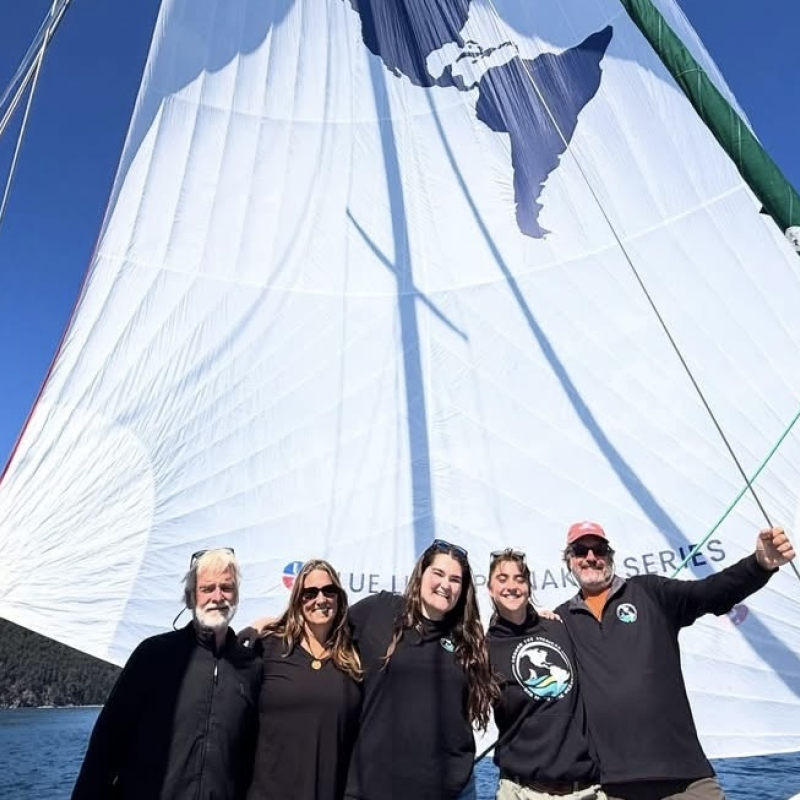
It has been three weeks since we arrived home in Anacortes, Washington. The crew of One Ocean sailed into Cap Sante Marina to a huge crowd on the docks, a boat parade, cheers, hugs, and a wonderfully warm reception at the Anacortes Yacht Club. Thank you to all of you. It truly was an incredible
August 5 - Signs of the PNW!
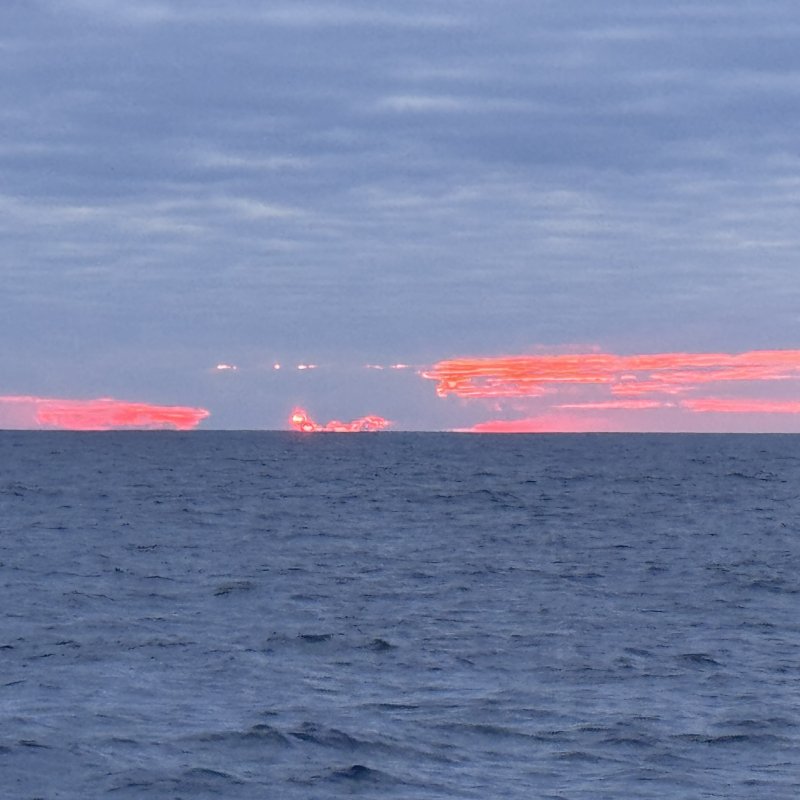
Wind: 18–26 knots Swell: 4 meters Boat Speed: 7 ± knots Weather: Overcast Sails: Main with two reefs, jib with two reefs 24-hour Distance: 130 miles One Ocean has been racing along under full sail since 2 a.m. this morning in some pretty strong conditions, with the wind on our beam or on a close
Silver Lining
August 3rd Yesterday, I was sitting at the helm, doodling in my notebook, glancing over to the table where Mark and Jenn were in the middle of yet another game of rummy with a side of entertaining commentary. I scanned the table where their hands were placed, then shifted my gaze to the horizon, and
The Big Picture
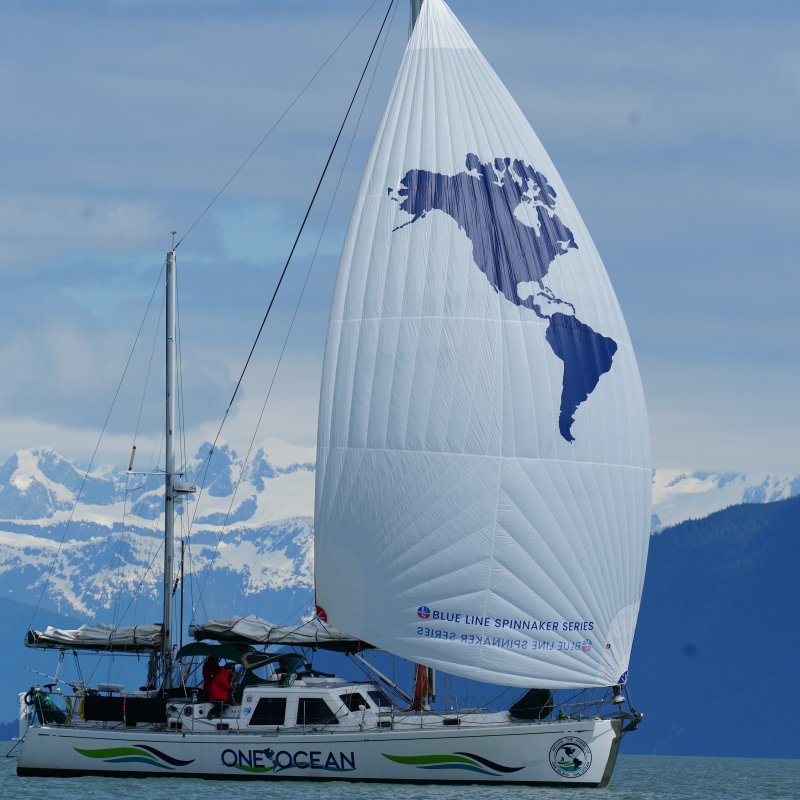
As we come to the end of the physical journey of Around the Americas, though not the research or the education, there is a big question we have to ask. What has changed since the last voyage, back in 2009 and 2010? It is a question we have carried with us since the very beginning of this trip. Along
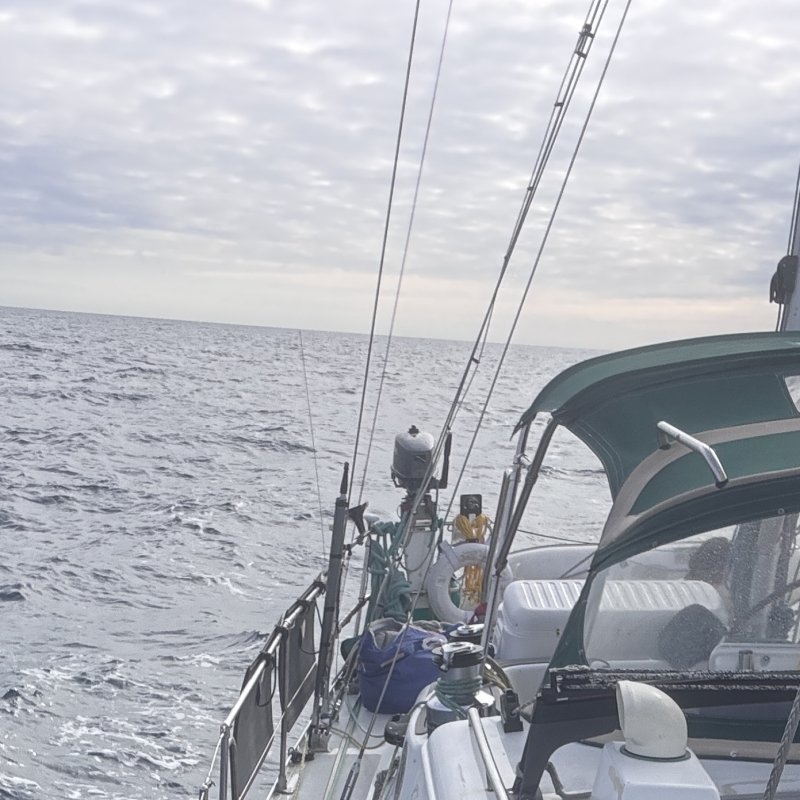
August 2 - The quiet gift of wind
Wind: 9–11 knots Swell: 0.5 meters Boat Speed: 5.5 ± knots Weather: Sunshine with light overcast Sails: Main, mizzen, and jib 24-hour Distance: 155 miles After days of motoring, we finally have some wind. We're sailing on the edge of a front that seems to be drifting north, but there's just enough
August 1 - Coming Home
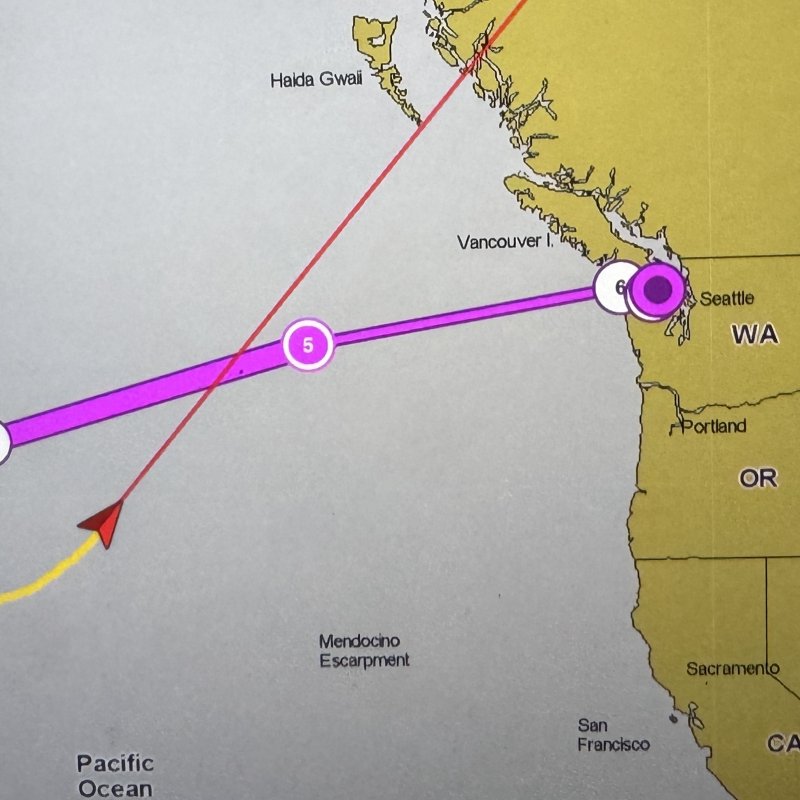
Wind: 7–9 knots Swell: 1.5 meters Boat Speed: 5.5 ± knots Weather: Sunshine with scattered clouds Sails: Main with two reefs, mizzen up, jib with two reefs, engine on 24-hour Distance: 150 miles We were able to make good use of the wind throughout most of the night, enjoying the quiet rhythm of the
July 31 Working the Edge
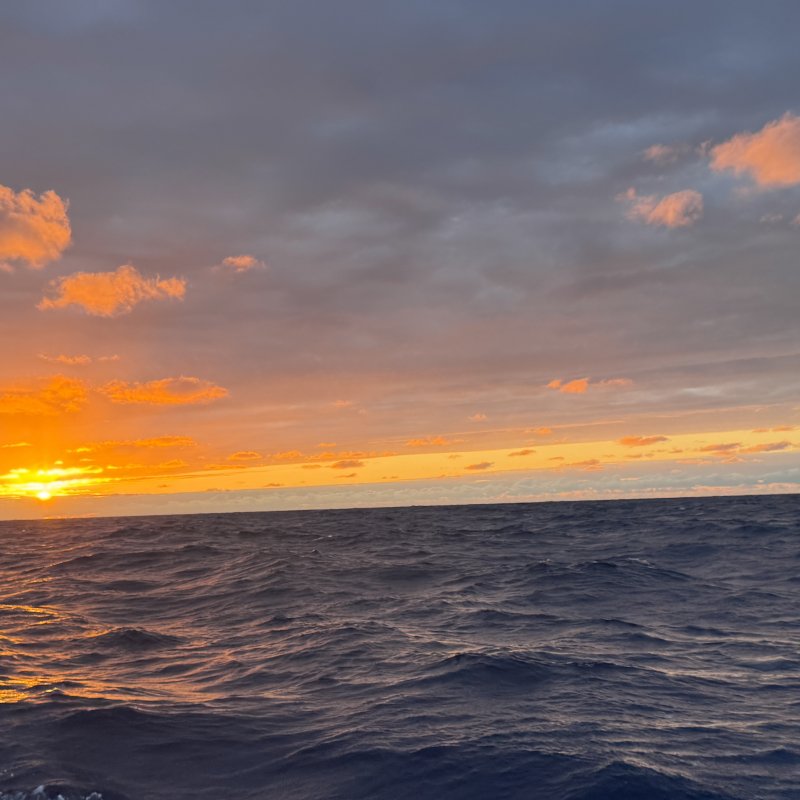
Wind: 12–17 knots Swell: 1.5 meters Boat Speed: 6 ± knots Weather: Sunshine with clouds Sails: Main with two reefs, mizzen up, jib out 24-hour Distance: 150 miles We're working the edge of a front. Astern of us is a high-pressure system with light winds, while to the northeast a front is producing
July 29 - We have wind!
Wind: 15–20 knots Swell: 2 meters Boat Speed: 7 ± knots Weather: Sunshine and blue skies Sails: Main up, mizzen up, jib with two reefs 24-hour Distance: 150 miles On my 4 a.m. watch, I noticed we were about to cross into 38° latitude—something I had been aiming for because it looked like that was
July 28 - Waiting on Wind
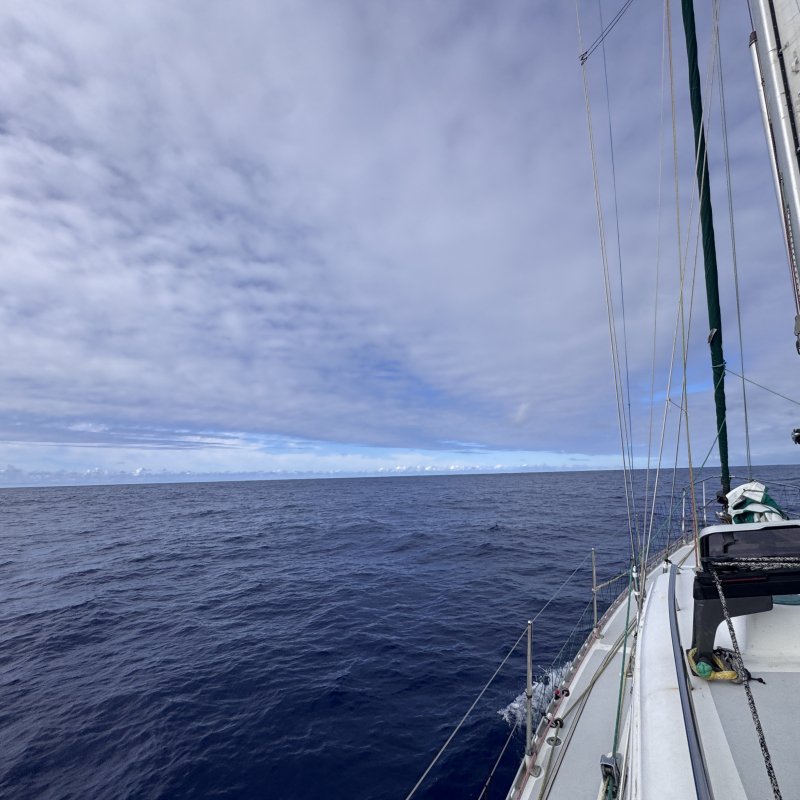
July 28, 2026 Wind: 4 knots Swell: 0.5 m, a nice rolling swell…the kind Mark had promised me at the beginning of this expedition, only now we are finally experiencing it...27,000+ nautical miles later! Boat Speed: 6 ± knots Weather: Overcast, light sprinkle, patches of blue Sails: Main up, mizzen up
July 27, 2026 - In the Blue
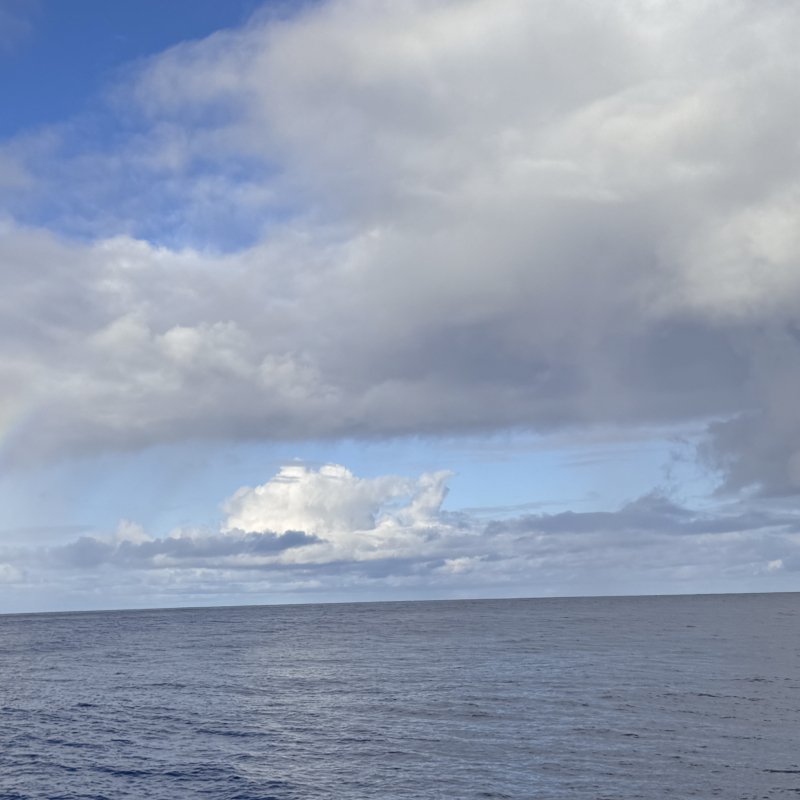
July 27, 2026 Wind: 4 knots Swell: 0.5 m Boat Speed: 6 ± knots Weather: Blue skies Sails: Main up, motor sailing 24 hour distance: 135 miles We’re in the blue according to our Windy app, which means no wind. Our decision to head east has paid off. We have been motoring through most of this, watching
July 26 - Eastbound!
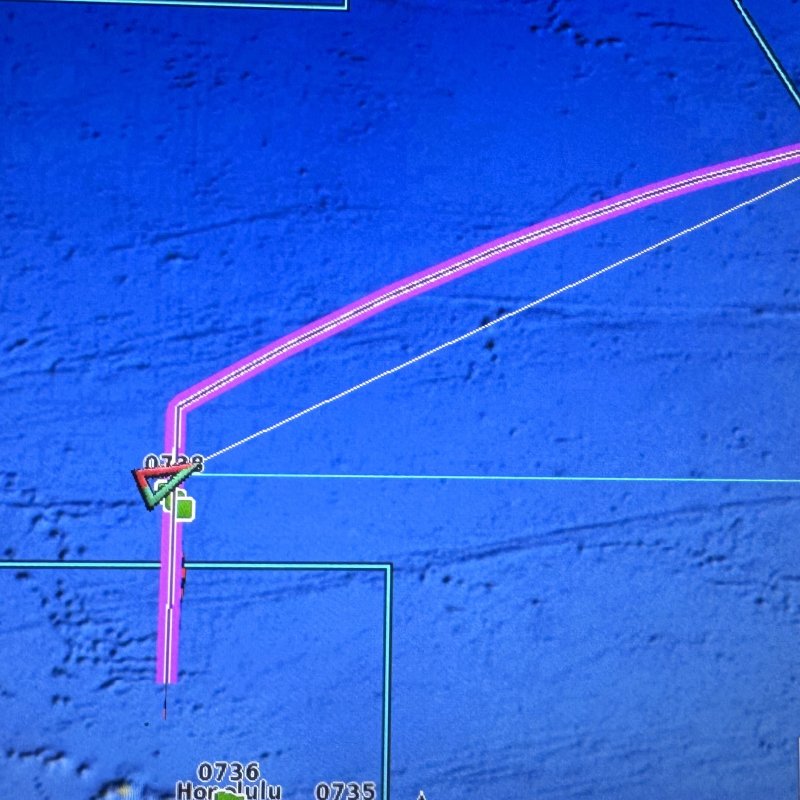
July 26, 2026 Wind: 4 knots Swell: 0.5 m Boat Speed: 6 ± knots Weather: Blue skies Sails: Main and mizzen up, motor sailing Update on yesterday's mileage: 130 nms in 24 hours. We tacked east! And so far, it's been a success. About an hour after changing course, the wind disappeared and the calm