
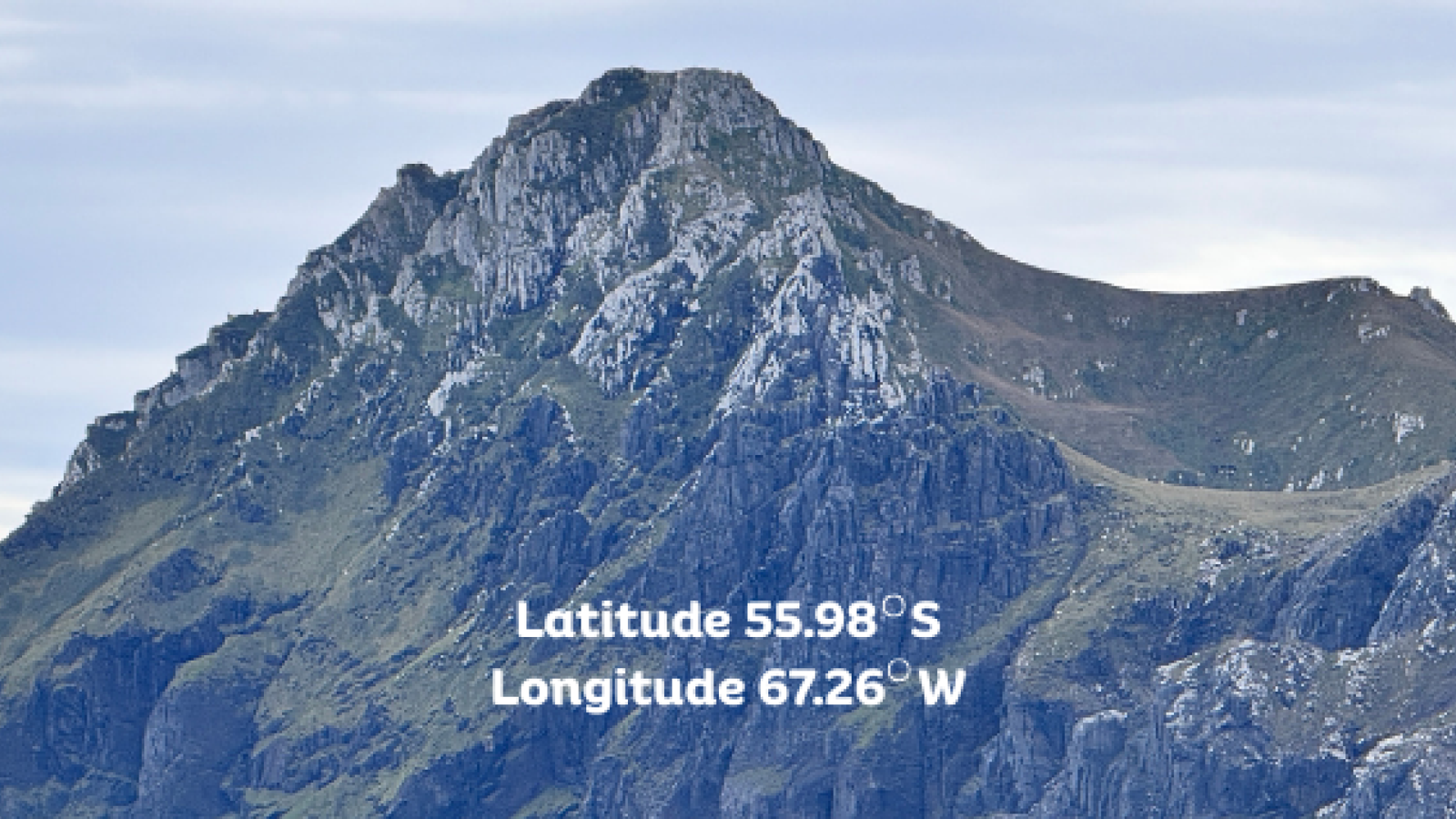
Few descriptions of sailing ships rounding Cape Horn are as vivid and well-written as David Grann's account in his book Wager. Since we anchored very near that ship's final resting place his words carry more weight than other histories I've read. During our final approach to Cape Horn his words percolated through my concerns. I was very relieved not to have the conditions Wager encountered on any of our weather forecasts! His account: "By late March, after nearly three weeks of futile attempts to get through the Drake Passage, the squadron was on the verge of what Reverend Walter called "total destruction." Its only hope was to quickly get around the Horn and reach the nearest secure landfall: the Juan Fernandez Islands . . . 350 miles off the western coast of Chile. "Getting thither was the only chance we had left to avoid perishing at sea," the Reverend noted. Juan Fernandez was where a Scottish sailor named Alexander Selkirk, a castaway, managed to survive for four years alone after being left behind by his ship (he became the subject for Daniel Defoe's 1719 fictional account of Robinson Crusoe). An officer more explicitly summarized the situation: "more than a month after entering the Drake Passage, they still had not escaped the ''blind Horn's hate" where spirits were crushed in a vortex of storms and "the lucky ones were considered to be the ones to die first."
Captain Joshua Slocum, a very experienced sailing ship Captain and the first and most famous to singlehand the globe wrote this description of Drake Passage conditions in his wonderful book Sailing Alone Around the World, "the first day of the storm gave the Spray her actual test in the worst sea that Cape Horn or its wild regions could afford and in no part of the world could a rougher sea be found . . ." Slocum was no stranger to every ocean on the planet!
As One Ocean approached the Horn from the Eastern Atlantic the famous 'big black rock' stood out against an unusually clear blue sky. The experience of a relatively easy downwind and safe rounding "west about" seemed a bit unearned - given the accounts of sailing ships spending weeks, yes weeks, trying to make enough westing to safely clear the next identified rocks of Diego Ramirez Island and finally able to shape a course for northern ports. While sailing toward the rock, I readily admit to thinking about those hundreds of sailors suffering weeks leading them to express that the luckiest sailors are the ones that die! I didn't share these stories with our crew but made sure they were well aware of the Horn's history.
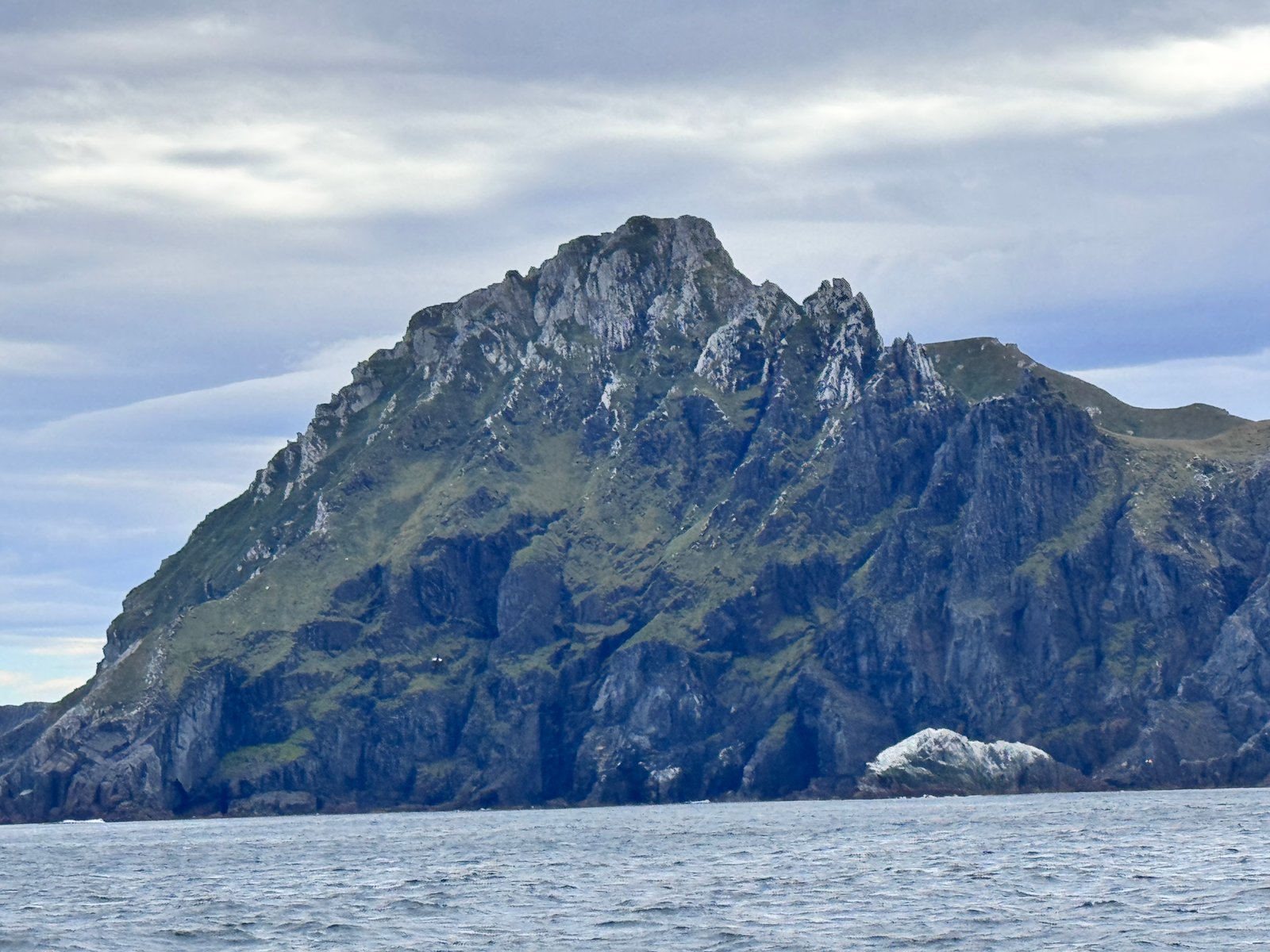
According to maritime historians Cape Horn hosts the biggest ship graveyard on the planet, an estimated 800 ships and 10,000 sailors have been lost in the waters surrounding the Horn.
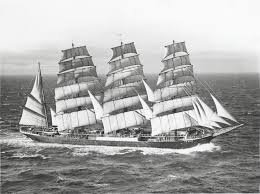
Commercial ships no longer use the Drake Passage as the favored route and commercial sailing ships are a vestige of the past. The four-masted barque, PAMIR, was the last commercial sailing ship to round the Horn in 1949. I didn't know that fact when I reached Cape Town in late January of 1983. Apparently, the Port Captain had been told I'd sailed from Seattle via the Horn, alone on a small sailboat. After a hearty and welcome hand-shake he offered to buy me a drink. I learned during that drink that he was the last Captain of the PAMIR, and the last to sail any commercial sailing ship around the Horn. I was having a drink with the Captain who had sailed a 4-masted barque with 30 plus sails, miles of rigging and dozens of crew around the Horn more times than he could count. He was having a drink with a guy from a small boat, one mast, no crew and only 'in charge' of himself! I was meeting a legend, he not-so-much, but he did exclaim I should be very happy that "old Cape Stiff" was behind me and congratulated me on becoming an official "Cape Horner." I bought the next round!
A few miles east of Cape Horn we made sure One Ocean was ready to become a true 'Cape Horner,' with rigging, sails and crew all set for the experience. By all accounts this was a perfect weather day - light to moderate breeze from the east, relatively calm sea and very little current running from the Pacific to the Atlantic. The collision of currents at the bottom of the world can create some of the biggest seas on the planet. Any force of wind against a volume of current makes for an uncomfortable, and possibly dangerous, bit of sailing. Strong wind against a contrary current at the tip of the continent creates the conditions described by Slocum, Grann and others. The conditions for us on this day were perfect, so good in fact we decided to attempt a repeat of the Ocean Watch spinnaker rounding 15 years earlier.
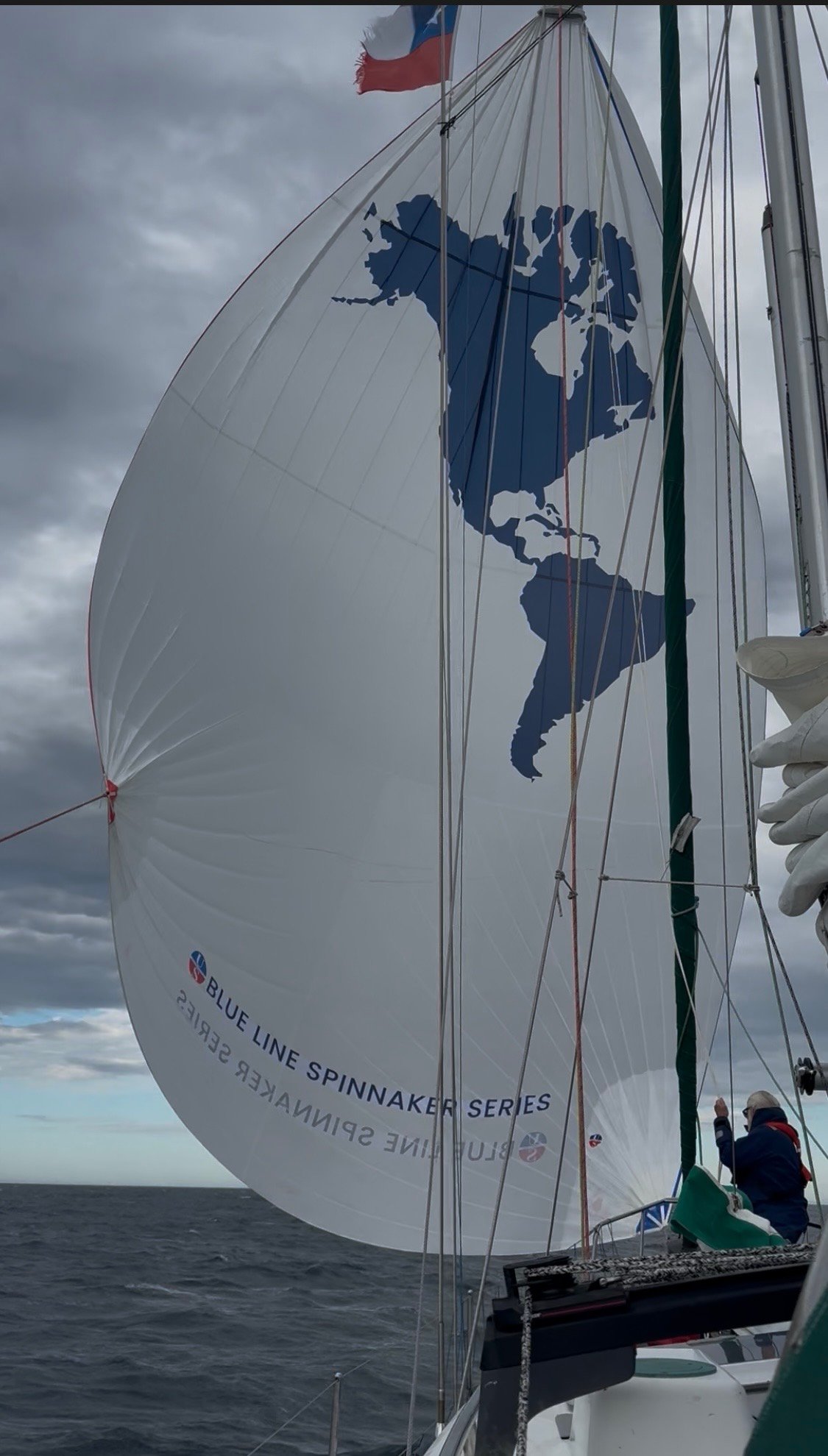
Ulman sails built us a custom asymmetrical spinnaker for this moment. Even though chances conditions would allow us to hoist it at Cape Horn were slim we wanted something to commemorate the occasion. It is a large sail, white background with North and South America highlighted in blue - a statement of our project, route and challenge. Tess, Jenn, Tim and I had a quick meeting to coordinate hoisting, trimming and steering duties. Wind seemed perfect, 17 - 20 knots from the starboard quarter. Setting and hoisting (in a sock) from the port side. Jenn sets the course to close the Horn, Tess and Tim prep and hoist the sock, I make ready to open the sock at the 'right' time. There is a little 'wind shadow' before the rounding, perfect time to hoist. Up goes the sock - mostly . . . in comes the wind and then things get complicated.
Two-thirds of the spinnaker opened showing the continents very nicely but the sock jammed and wouldn't completely open. At just the wrong time the wind increased to 29 knots. Tim and Tess did their best not to become airborne while I tried unsuccessfully to untangle the sock. Jenn held our course while we finally collapsed/lowered the sail and secured it on deck. Sometime during the drill we rounded Old Cape Stiff. Thanks to the cameras Tess mounted at different locations we have proof of it all, and happily, most of the images didn't record the problems.
Jenn, Tess and Tim have now earned the 'right' to wear a gold earring in the ear closest to the Horn- signifying to any Cape Horner they are veterans of going around the hard way, east to west! Whales, seals, albatross and scores of other birds were our only escorts. I could almost imagine the PAMIR rounding with all sails flying and her Captain and crew heading for Cape Town. One Ocean and crew headed into the beautiful passages and islands of Tierra del Fuego, heading North and feeling very, very grateful for this experience.
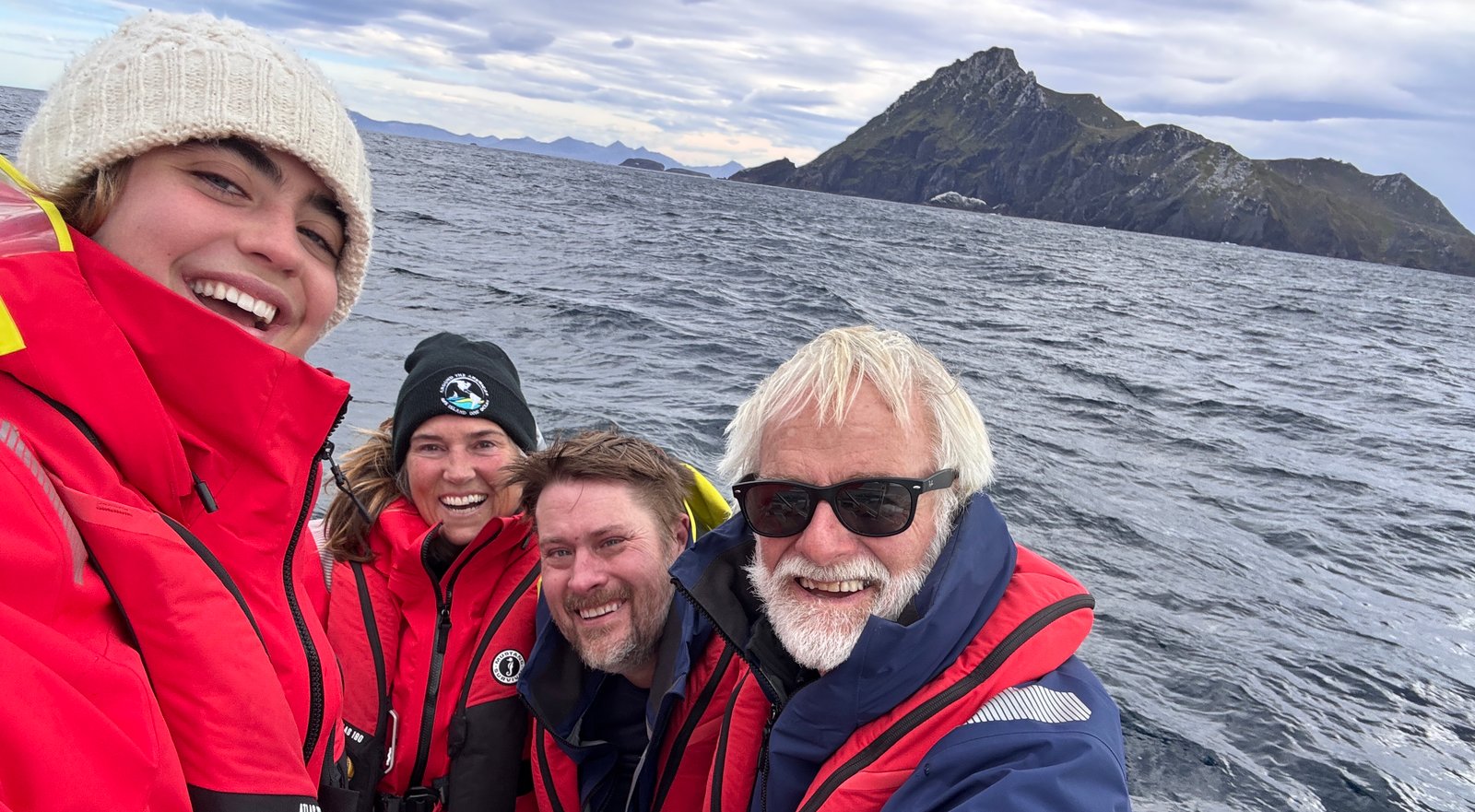
PS: Tim wasted no time honoring the tradition, ear pierced and ring in place - right ear. Hearty welcome to another Cape Horner!