
Milestone Week - ATA Update
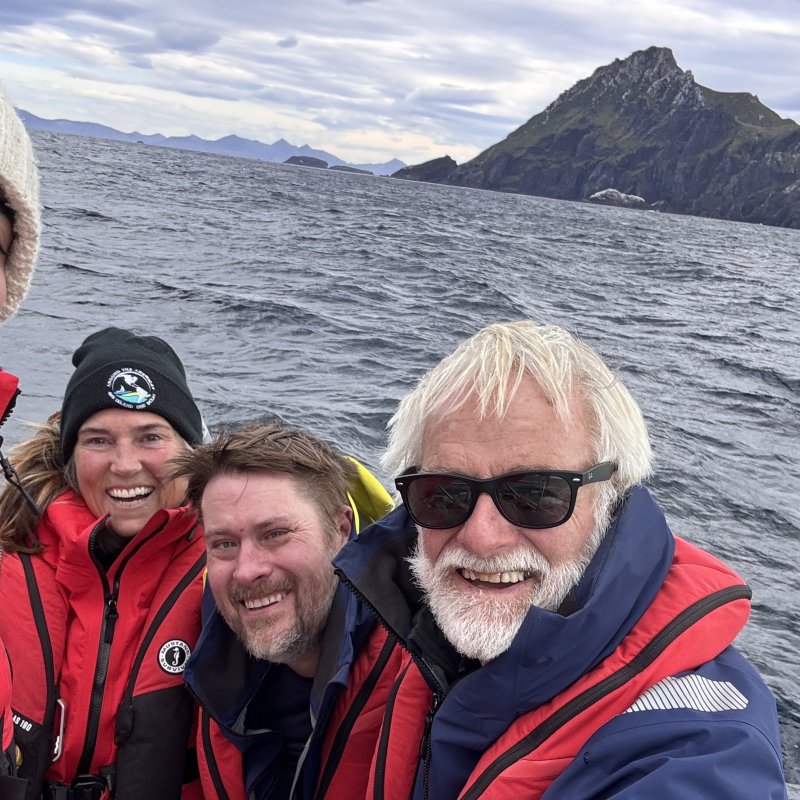
Around the Americas Expedition Update Rounding Cape Horn Few places on Earth carry the myth, power, and reputation of Cape Horn. For centuries sailors have measured themselves against the winds, currents, and towering seas at the southern tip of the Americas. This week, aboard One Ocean, our team
Puerto Williams to Cape Horn
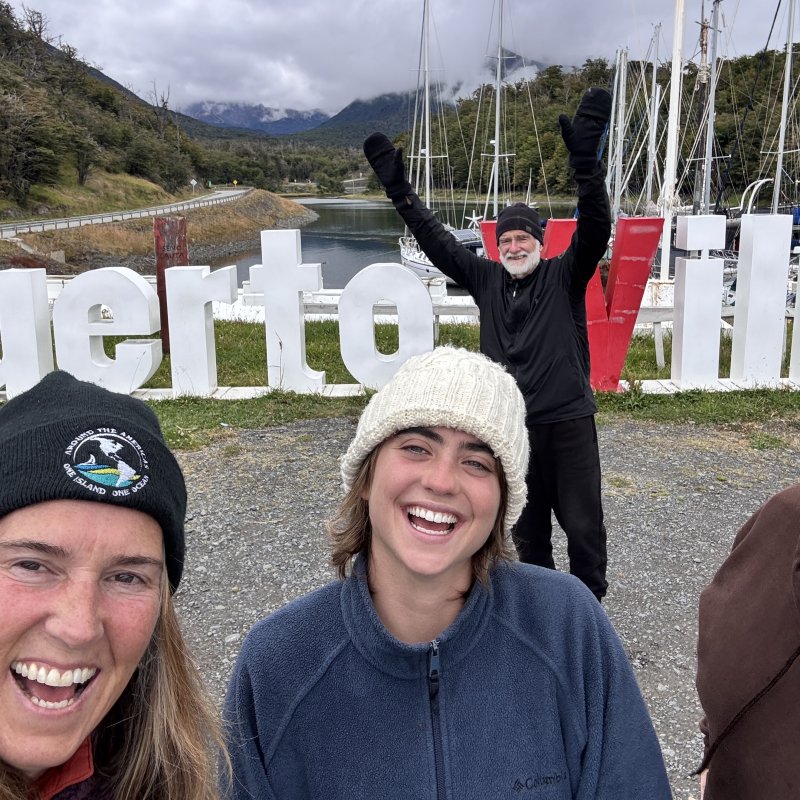
Wednesday, March 4, One Ocean is anchored in the bay outside Puerto Williams. It's a clear, cold morning, sunlight glowing off the surrounding mountain peaks. I sat drinking my coffee studying the clouds race in from the west and wondered what conditions were building beyond the shelter of our bay
The Horn Awaits
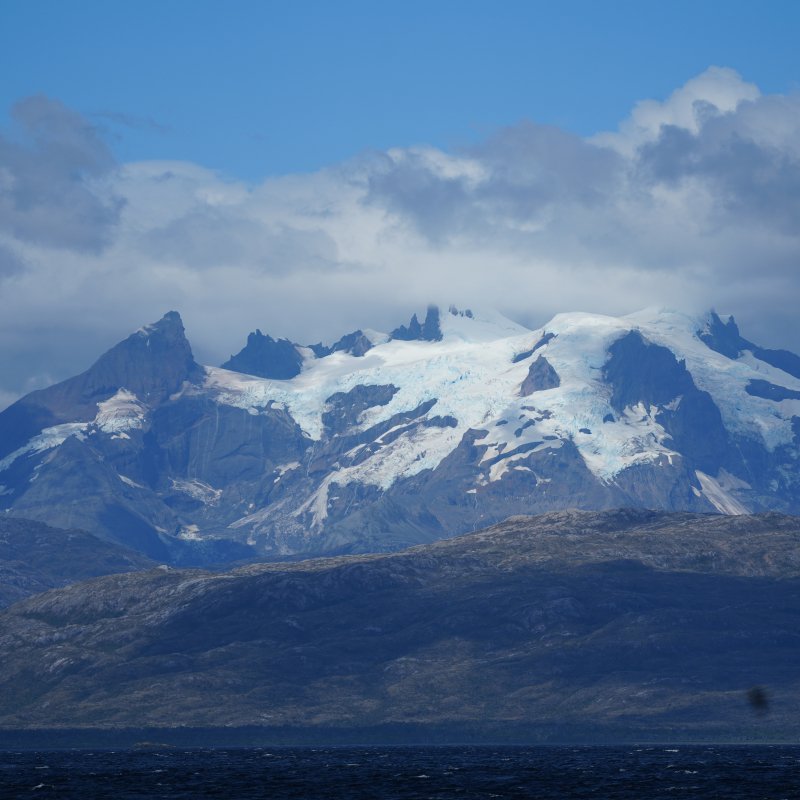
Presently we are in Canal Brecknock, Patagonia. For now, the weather is on our side — 14 knots on a broad reach with just the jib unfurled, and more than two knots of current carrying us forward. Last night brought clear skies, an alignment of planets, and a near-full moon. This morning: steady wind
Golfo de Penas
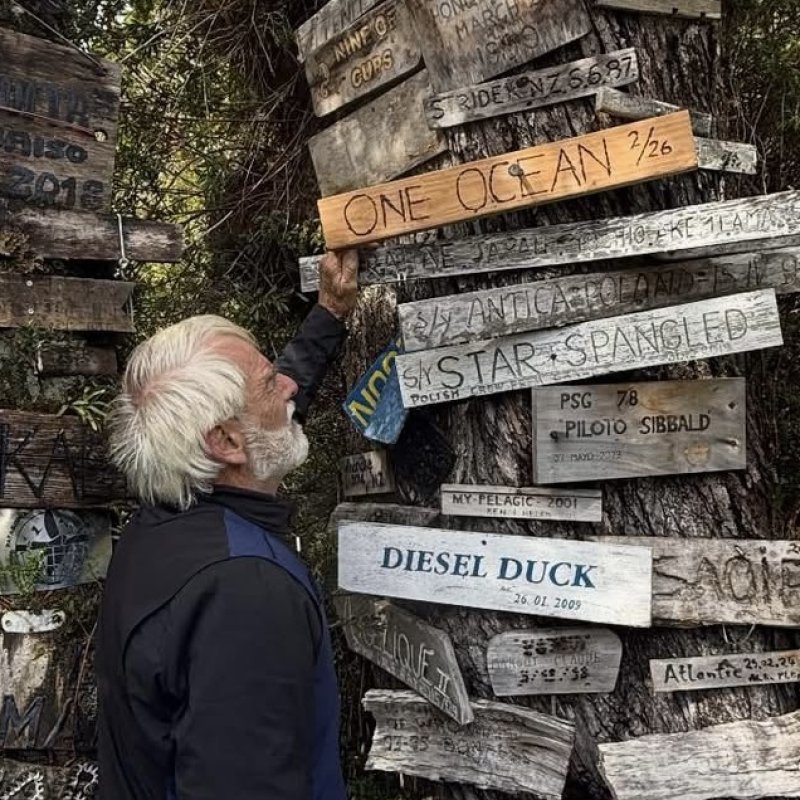
Sailing from Puerto Montt to the entrance of Penas is straightforward navigation-wise, not so much weather-wise. The channels, islands and hazards along this 120nm stretch are well documented and scenic. Protected from the prevailing westerly winds this leg of the voyage is relatively calm. The
Follow the Road
In 1982 Warren Least Heat Moon followed 13,000 miles of little roads around America after he lost his teaching job and separated from his wife. His was a voyage of leaving something behind and immersing himself in something new. His book from that voyage, Blue Highways, published in 1982, went with
Caldera Chile
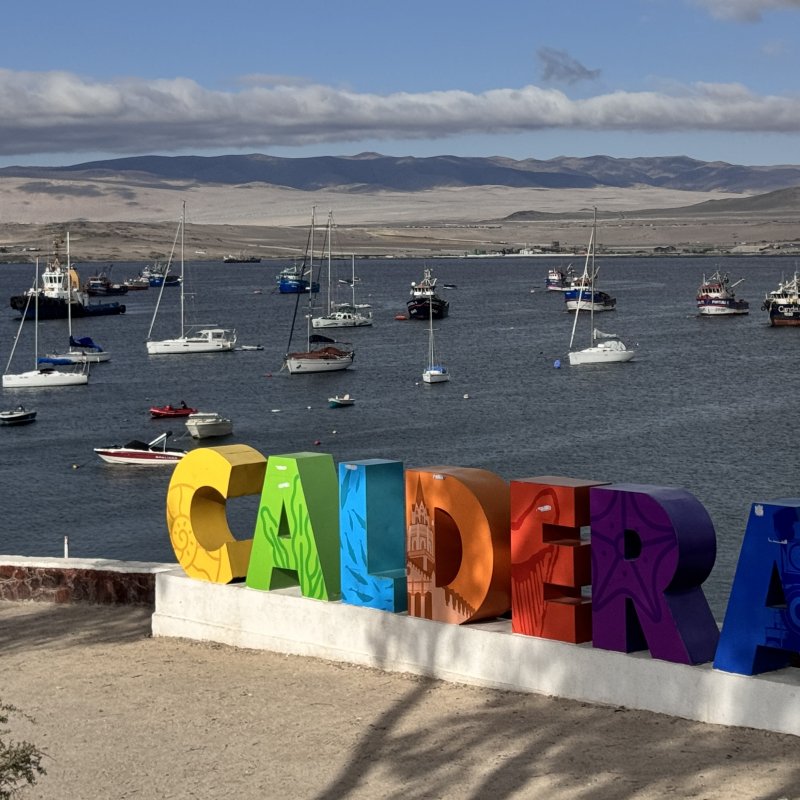
It’s the last day of January, and as we sit at anchor—waiting for customs… again—I have to say our time in Puerto Caldera has already been encouraging. Before we’ve even set foot ashore, people have reached out offering help in every way possible. One woman in particular, Rocio from the sailing
The Ocean Knows No Borders
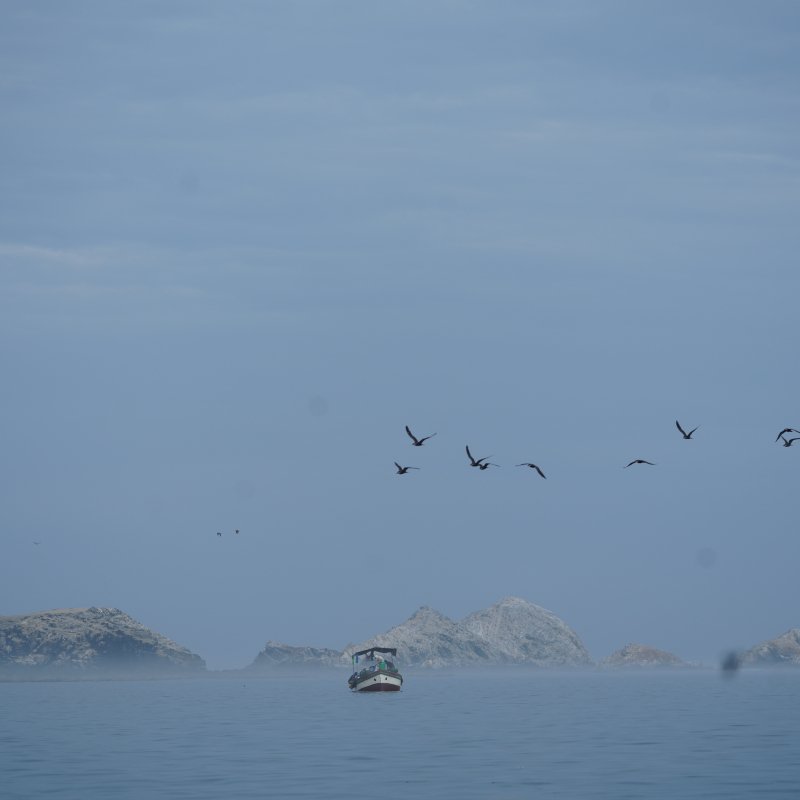
Migration is a natural, beautiful process. It occurs continuously, among people and animals alike, driven by survival, access to food and resources, and the search for safer, more favorable living conditions. Migration occurs across land, sea, and sky and is a common thread between thousands of
A day in the life aboard One Ocean
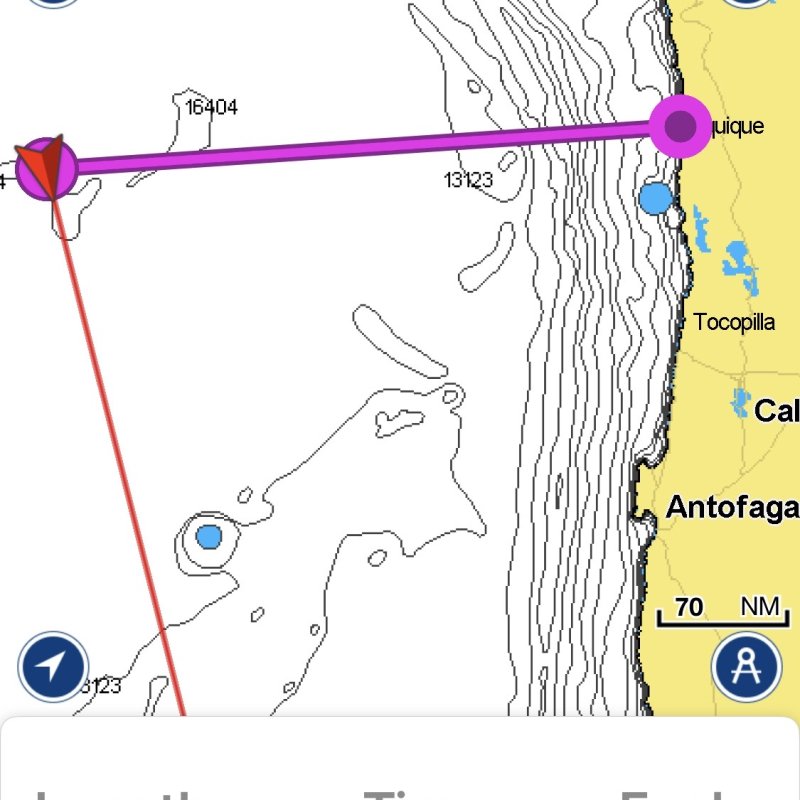
One Ocean is currently 340 nautical miles off the coast of Chile. We left Callao on Wednesday evening and—somehow—it’s already Sunday. We’ve been averaging 120 nautical miles a day heading south. Conditions have been kind, and once we cleared 150 miles offshore, it felt as though we were completely
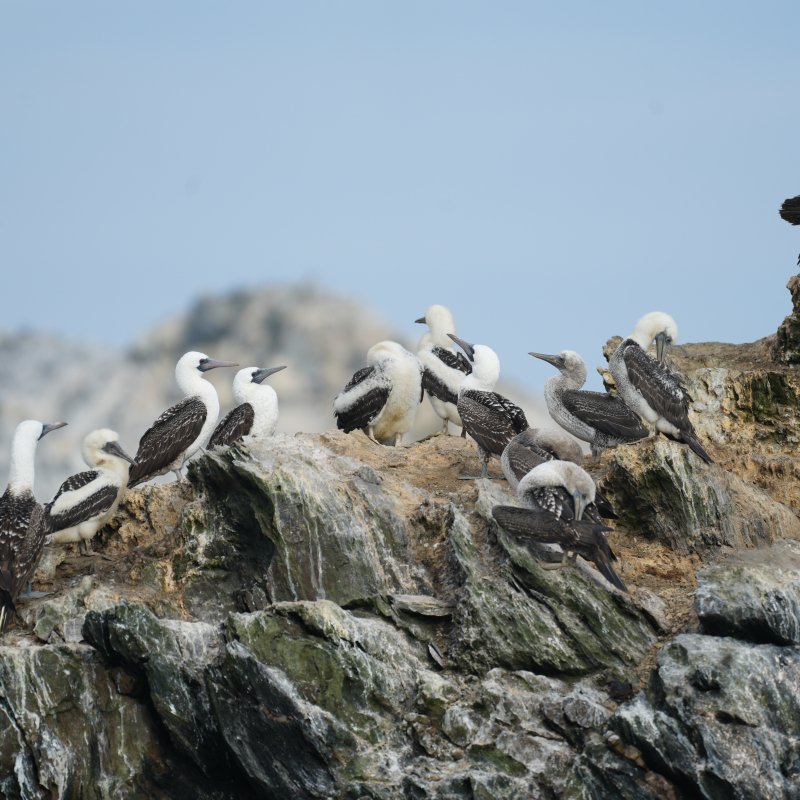
The Humboldt Current & Life
The Humboldt Current is a cold, low-salinity ocean current that flows north from the southern tip of South America along the continent’s western edge toward the equator. It is part of the South Pacific Gyre—the largest of Earth’s five major rotating subtropical ocean current systems. This
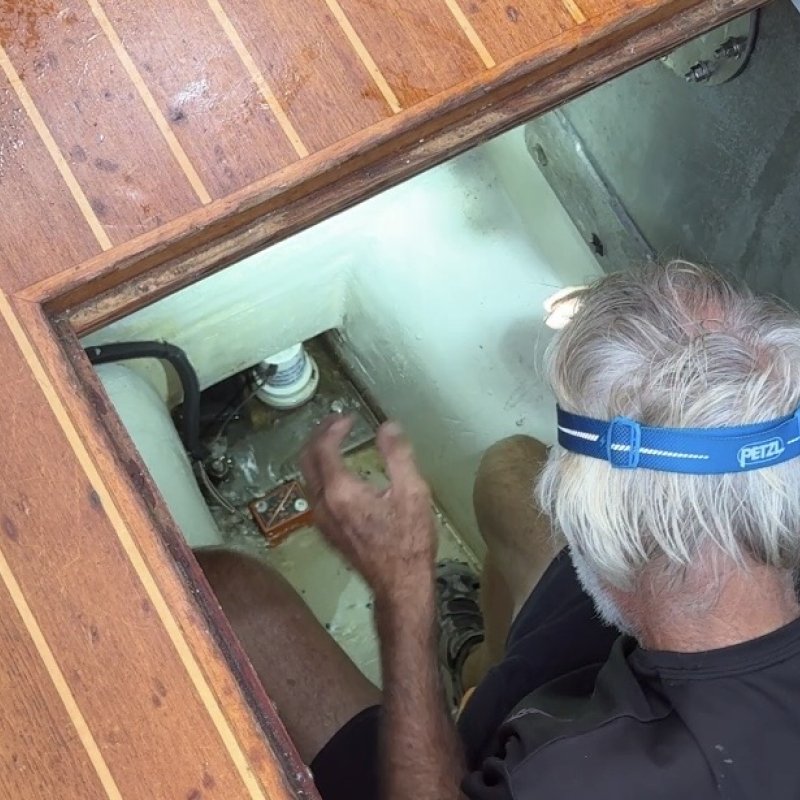
A Point in Time
-c1300 hrs, 276nm west of Peru-Chile border A Point in Time Off watch, sometime between napping and sleeping an unfamiliar alarm went off. A few moments wasted to make sure it wasn’t just in my head, and then more alarms. Something important was happening, urgency required. Nap done, now I’m very
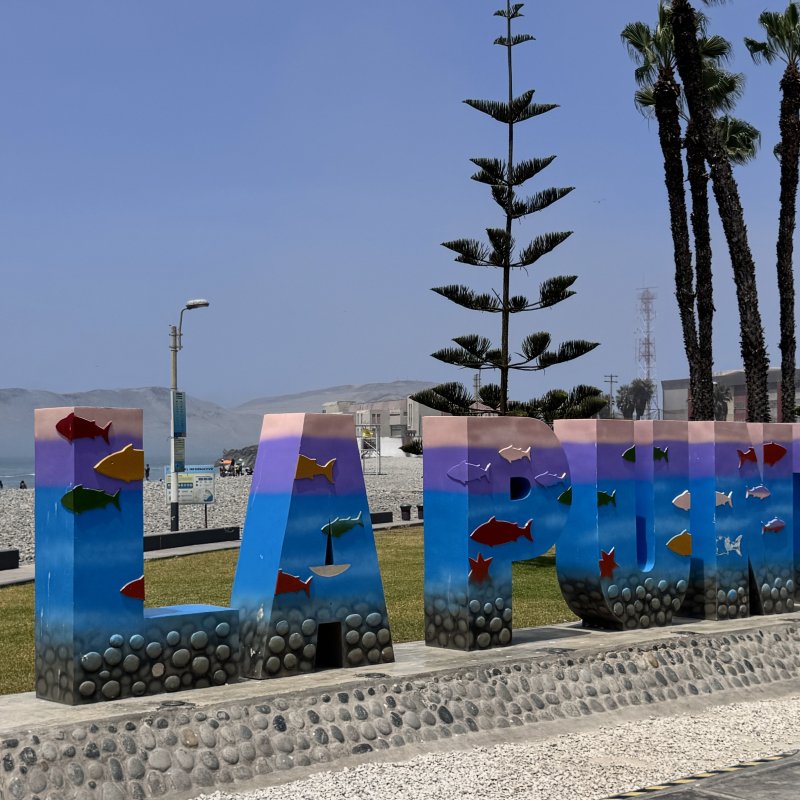
Patience
This morning I've muttered (mostly to myself) a dozen times that it's time to leave Peru and head south. I woke up wanting to be on the move rather than tied to a buoy a hundred yards or so from the Yacht Club Peruano. Part of my impatience to get going is purely from looking at the time and
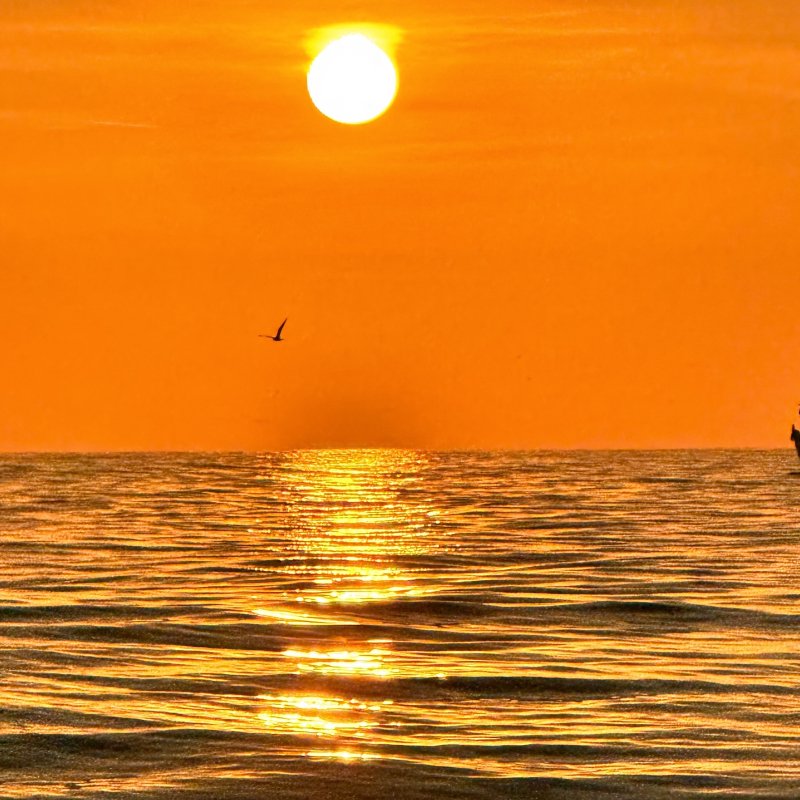
The Lights of Lima
The lights of Lima remain off our port beam as we glide south toward Chile through soft, calm water. The night sky is speckled with southern constellations, and the moisture in the air makes everything feel damp. It’s 12:30 a.m., and I’ve just started my midnight to four watch. I couldn’t sleep