 Donate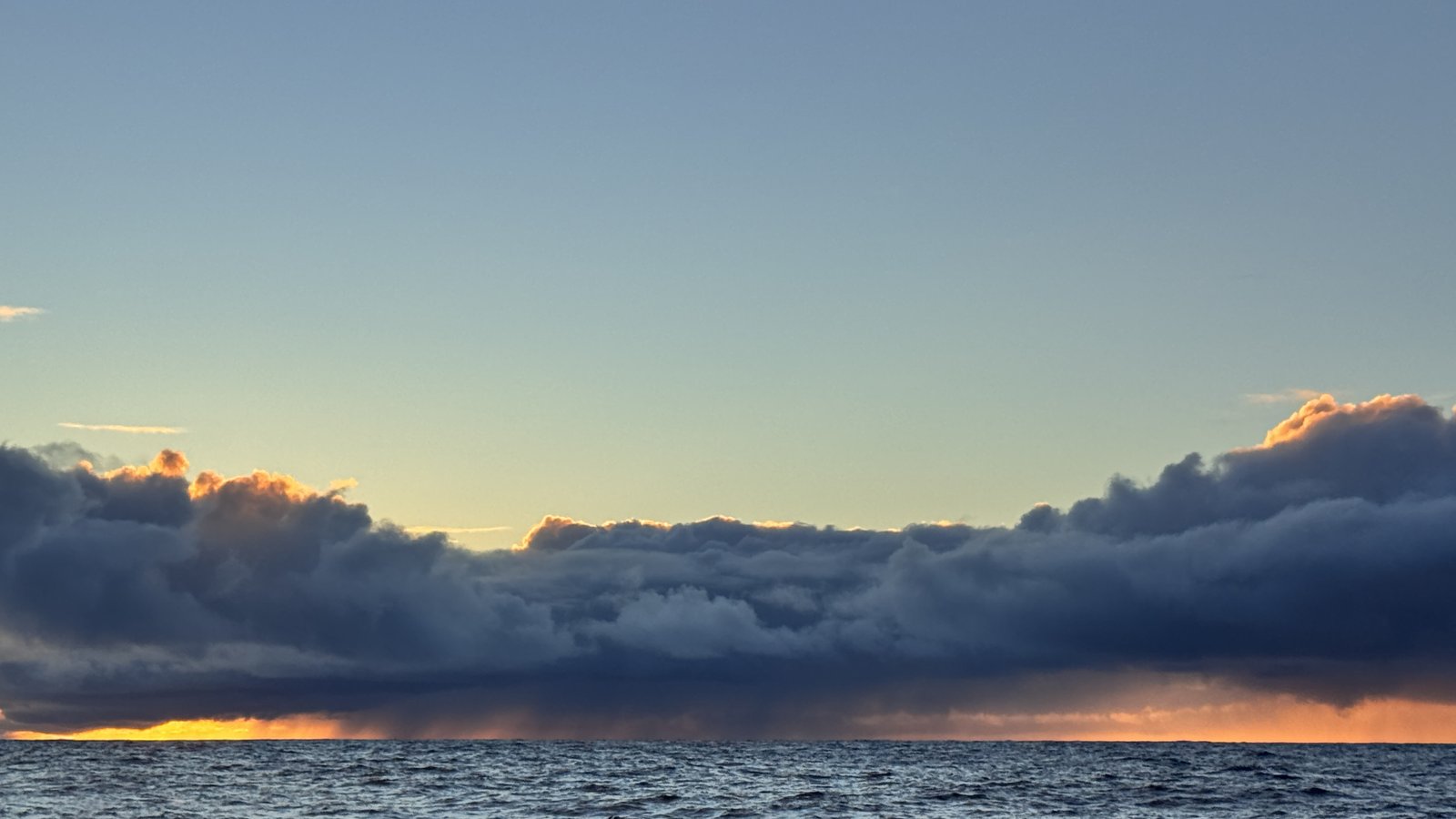
Twenty-five days at sea. More than 3,600 nautical miles behind us. Just 300 to go before we arrive in Hawaii. Yes, that's a small fraction of the 24,909 nautical miles we've sailed to date, but this has been the longest uninterrupted ocean crossing of our journey. The pacific ocean is the largest and deepest ocean on earth and covers more than ⅓ of the planet and contains some of the most remote stretches of water anywhere. You can follow our progress on our tracker here.
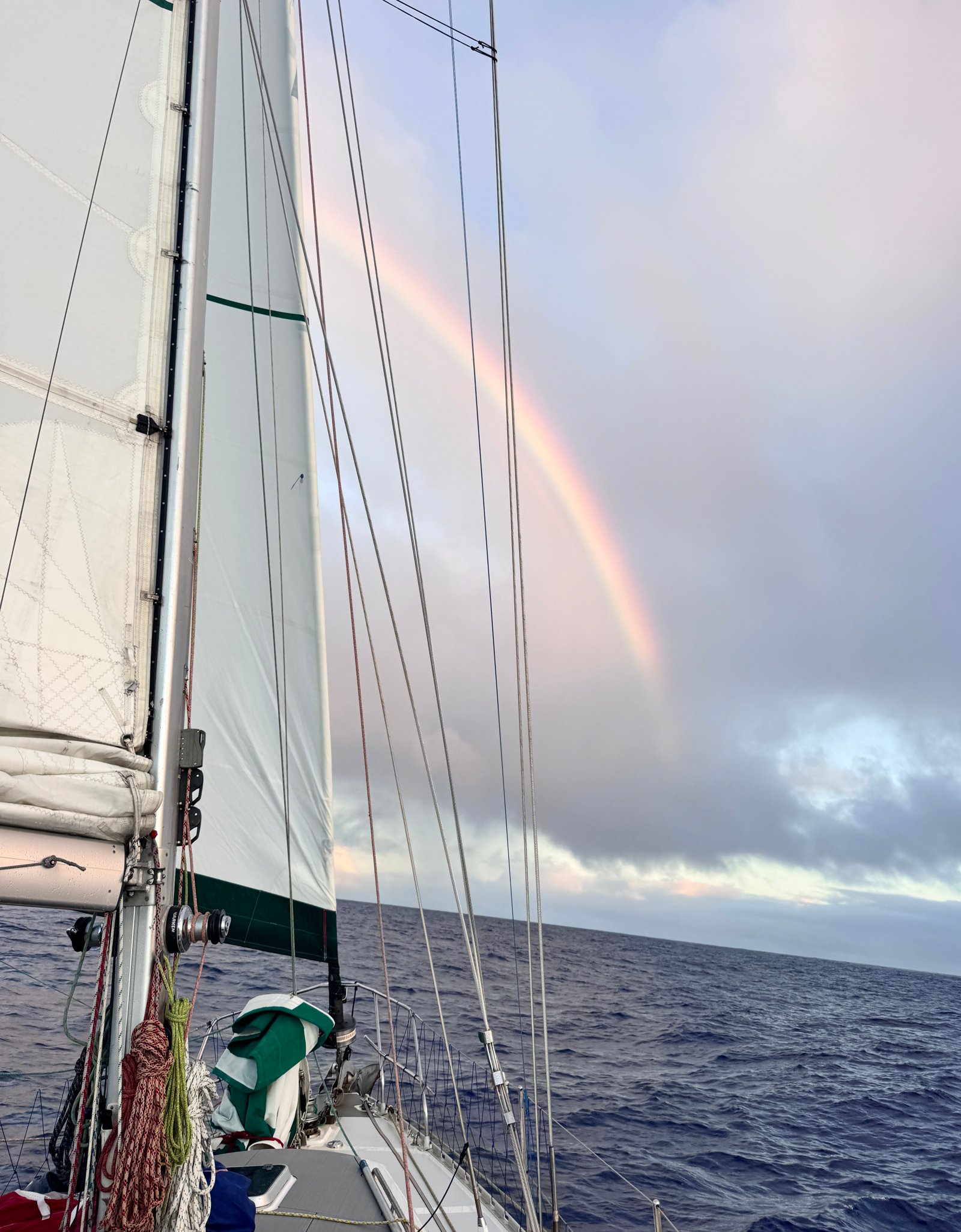
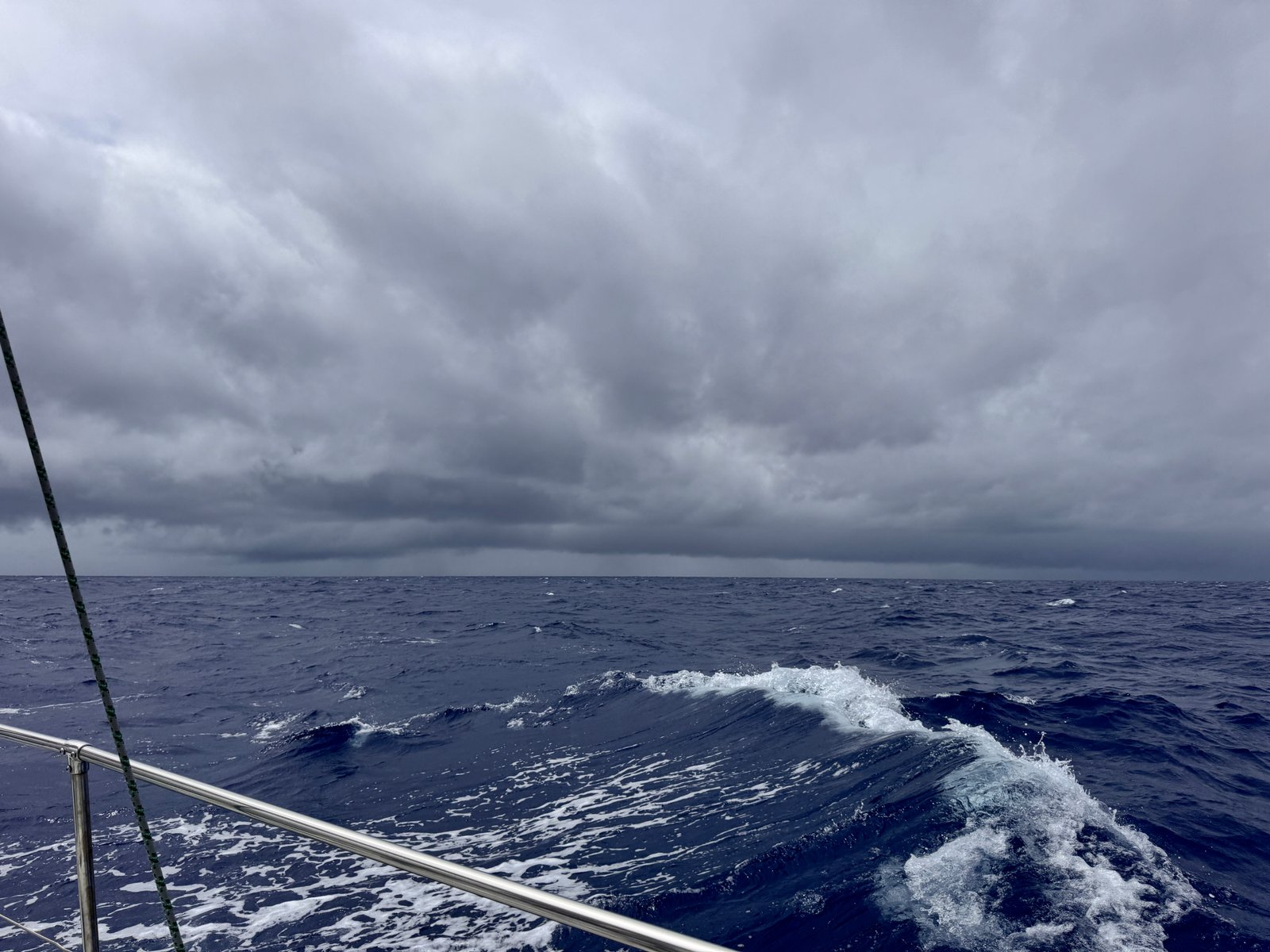
During this passage we've experienced all kinds of weather—different from anything Mark has seen during his many voyages through this part of the Pacific. The swell has been large, and so has the wind. We've been able to sail about 98% of this voyage, which has been incredible. The last few days have brought frequent gusts into the mid-and upper-30-knot range, accompanied by large seas.
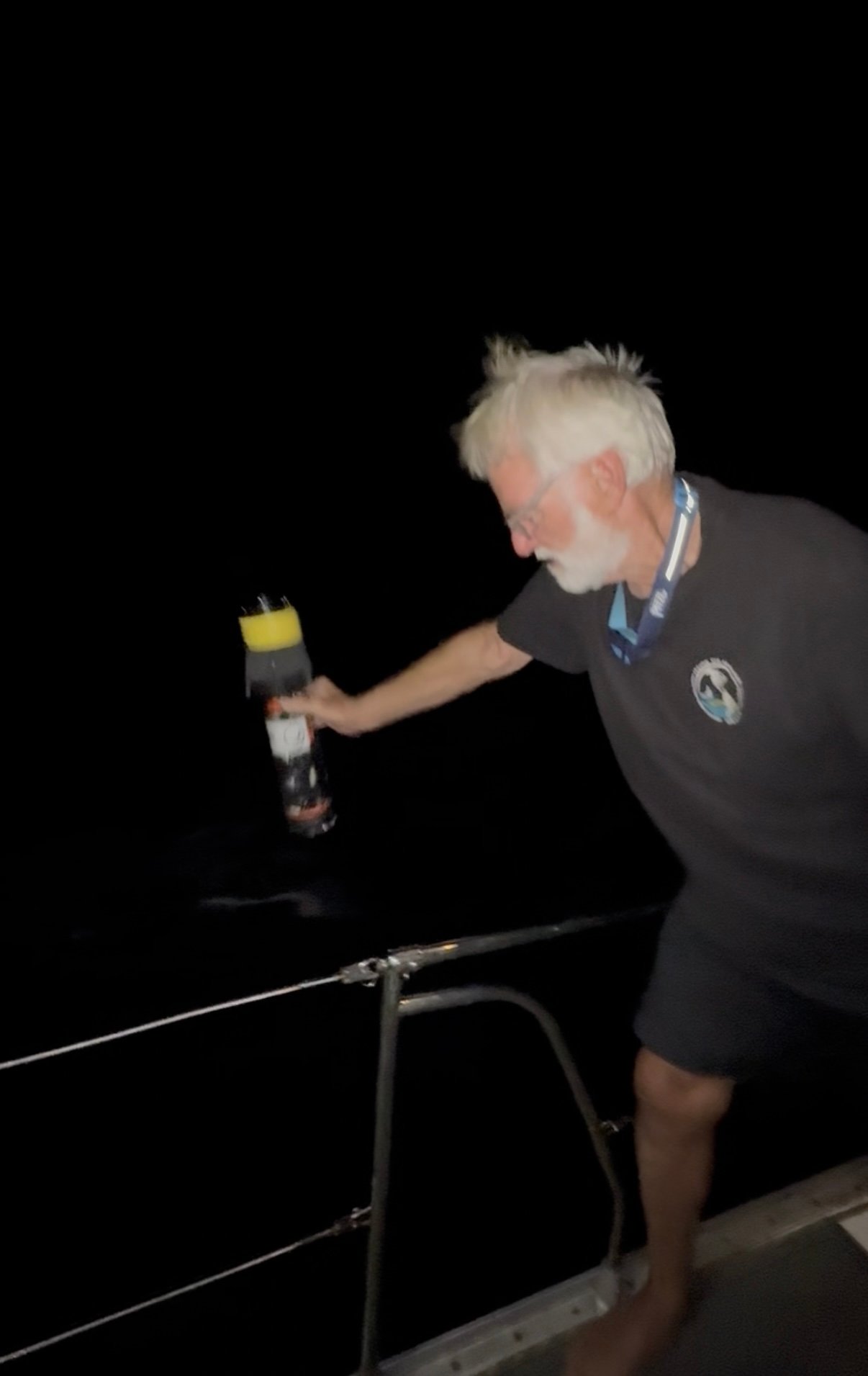
We know just how large thanks to Buoy #170, one of the MicroSWIFT buoys we deployed for the students at Southern Cross Academy in Mozambique. Watching the buoy transmit wave data has given us another window into the conditions we're sailing through. You can follow this buoys data here. On the dashboard click into Around the Americas June 2026, Buoy 170.
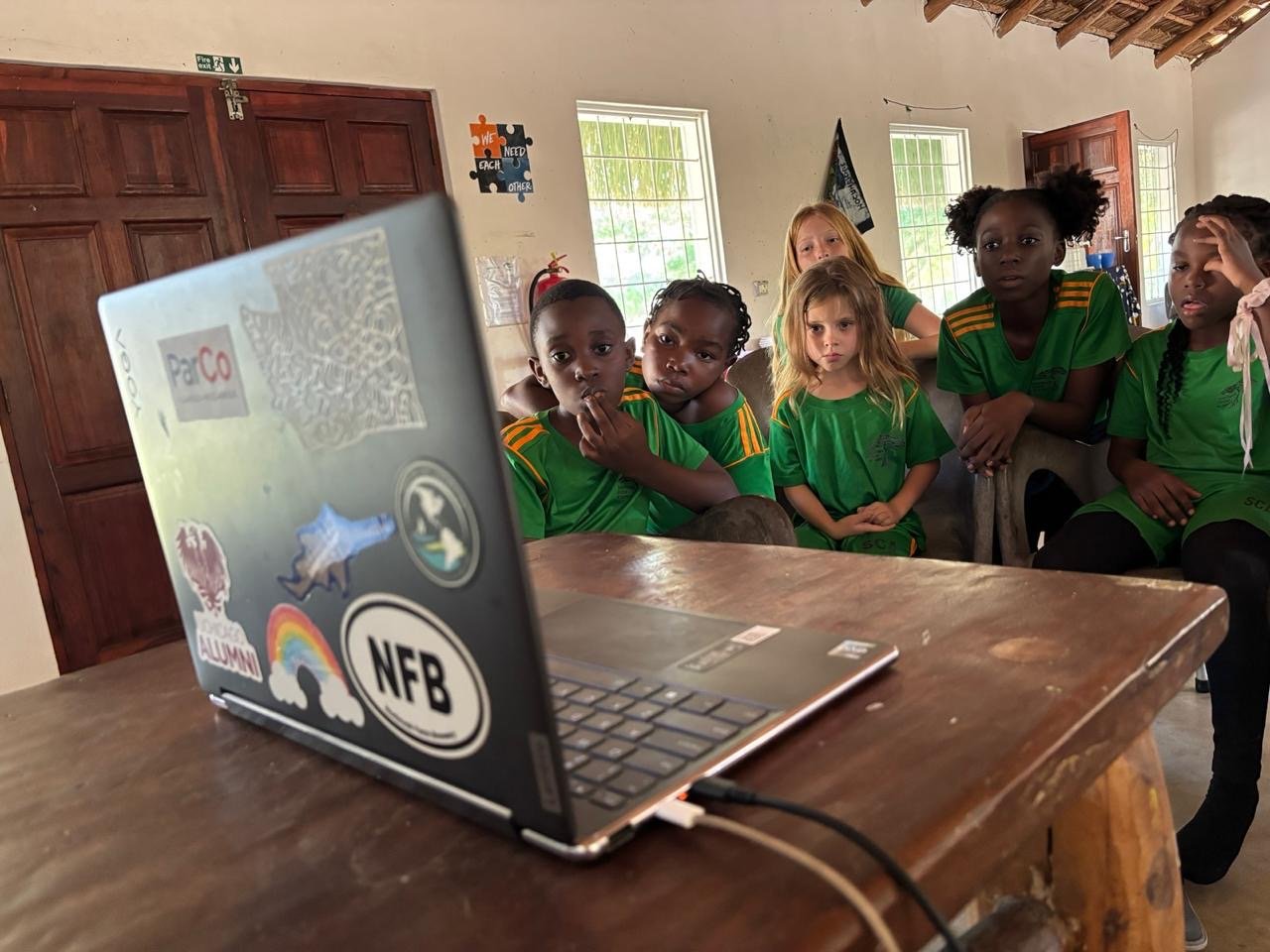
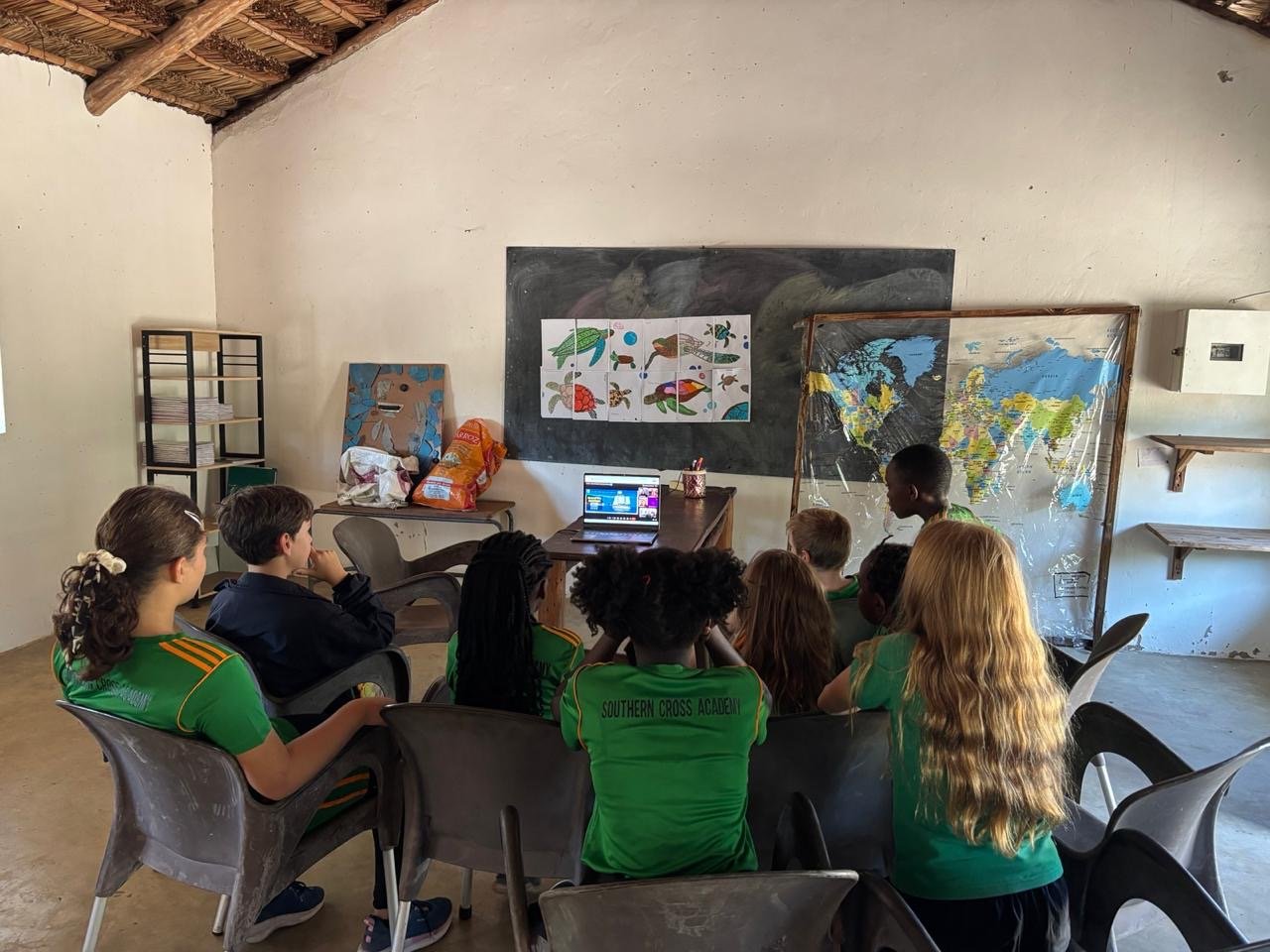
What a treat it was to present online for Southern Cross Academy during this passage. The students were so excited about our adventure and the slide show we shared. They asked fantastic questions, and their enthusiasm was infectious. At the end of our presentation, they asked if we had dance parties on board. We all laughed and admitted that we did. Their response? They treated us to an impromptu dance party! Thank you, Southern Cross Academy—it was a pleasure meeting all of you.
As we near Hilo, we've started allowing ourselves the luxury of dreaming about life on land again. Mostly, that means food.
Personally, I'm dreaming of a fresh salad and a cold glass of white wine.
We ran out of fresh fruits and vegetables about a week ago. They lasted longer than I expected. Provisioning in the Galápagos wasn't easy. Meat was difficult to find, and we had to be careful where we bought food. Gastrointestinal illnesses were running rampant on the islands, and unfortunately, our crew wasn't excluded.
The vegetables I bought from an open-air market held up surprisingly well, better than I expected. The grocery stores were hit or miss, so shopping became a bit of a scavenger hunt. In the end, we prepared well, despite not finding everything on our list. It had been one of my biggest worries before we left.
We take turns cooking dinner on board, and everyone has been remarkably creative. Every crew member is an exceptional cook, and we certainly haven't gone hungry.
But thirsty...well, that's another matter.
Our wine selection was dismal at best. The boxed wine we found had clearly seen better days. When poured, it came out a deep golden color instead of the pale straw color you'd expect. We don't drink much while underway, but every once in a while it's nice to enjoy a glass with dinner. When Mark checked the expiration date and discovered it was more than a year past, the color, smell, and date all agreed—it was best left for King Neptune...aka Mark. So yes, a crisp, cold glass of Chardonnay sounds especially appealing right now.
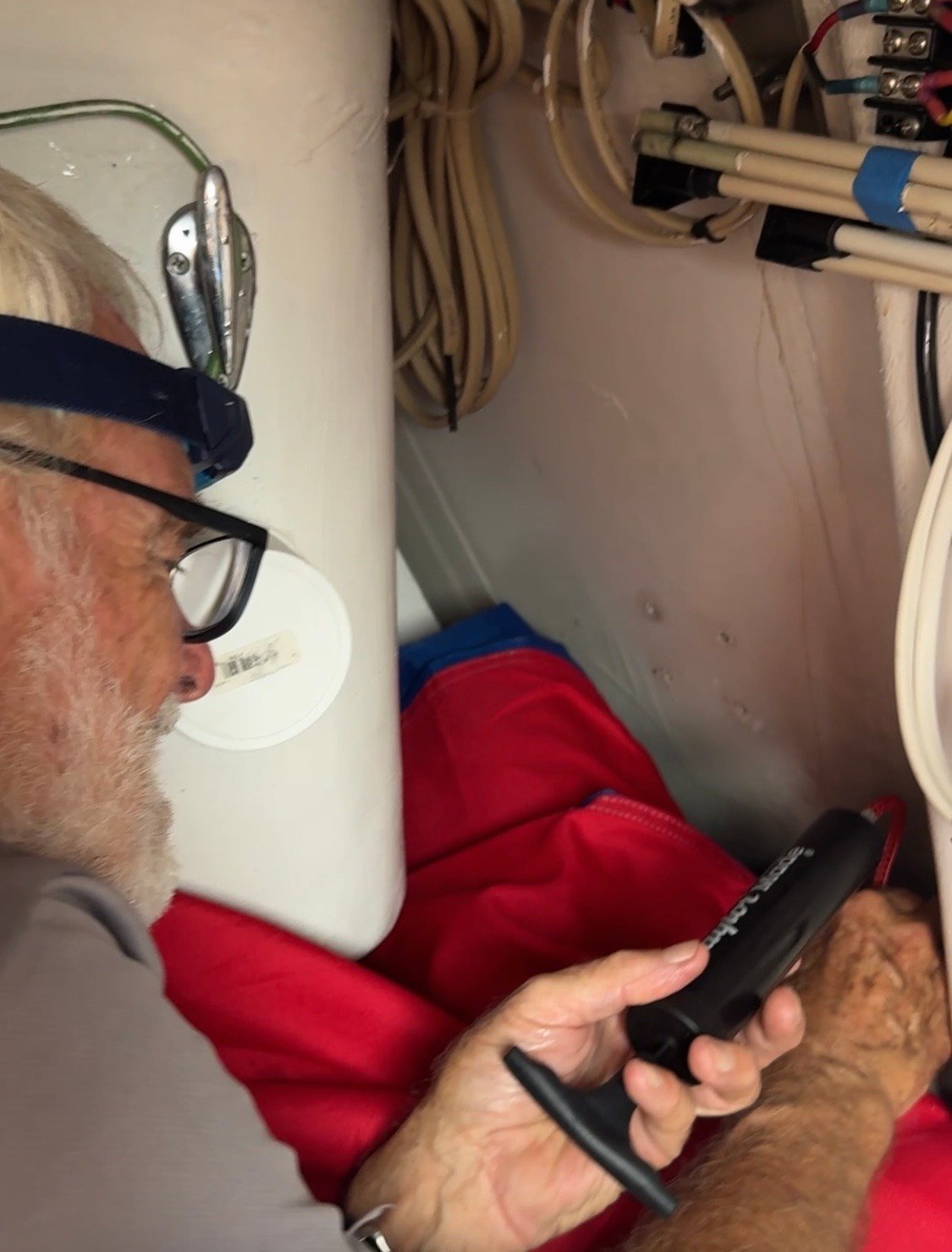
Life on board revolves around routine. Our days are built around our watch schedule: two-hour watches followed by six hours off. We sleep when we can, and during my off-watch I fill my time with expedition work, helping Mark with repairs, practicing yoga, cooking, and, on this crossing, enjoying the luxury of reading more than usual. Speaking of repairs we had a major issue with the autopilot and our main steering about 500+ nm's offshore. We spent a couple of days trying to fix the issue, but it turns out we never found the main culprit. However, with some tender loving care and wonderful help from our onshore support - Tim Vandenheuvel and Dave Logan, we methodically went through things and ol' Auto, she came back to her reliable self. Thank goodness!
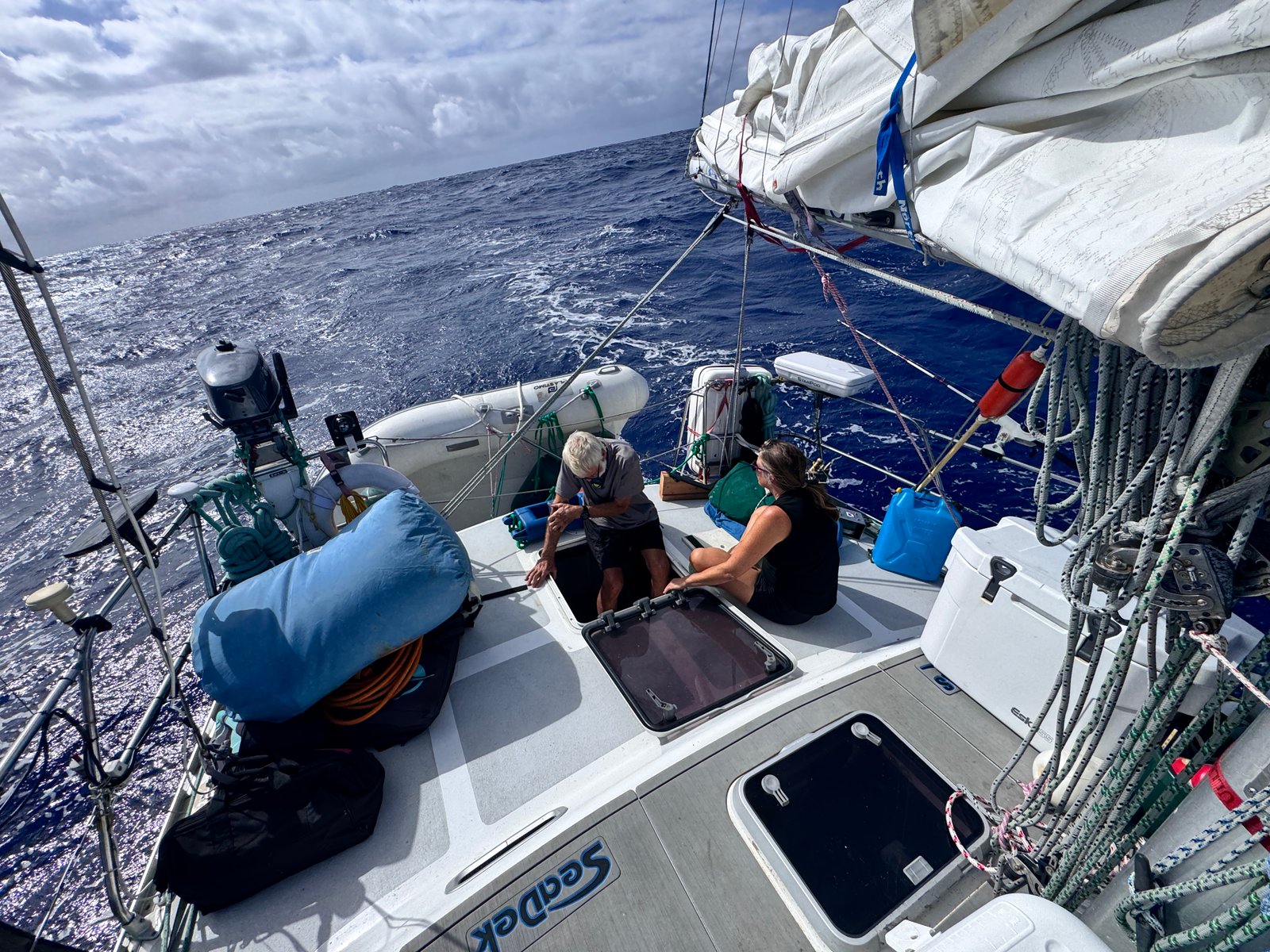
Once we reach Hawaii, we'll stop at several islands to connect with scientists working on coral reef sustainability, the Great Pacific Garbage Patch, and freshwater resources. I'm looking forward to learning from them and sharing those experiences with the students following our expedition.
Right now, we're planning to arrive back home in Anacortes, Washington, in early August—weather permitting.
I'm sure each of us has a different headspace about returning home. Since leaving the Galápagos, I've found myself looking forward to it. But what will home look like? What will life after this expedition feel like? How has this journey changed me?
Those are questions for another day.
Out here, I try to remain as present as possible. This incredible undertaking demands it. I don't think I've ever lived so completely in the moment, or for such a long period of time, as I have aboard One Ocean. The wind, the waves, and the boat require your full attention and maybe this focus is one of sailing's greatest gifts.
Science and Education matter! Thank you for your continued support! - Watch the kids in Mozambique loving the buoy drop here! I highly recommend it!