
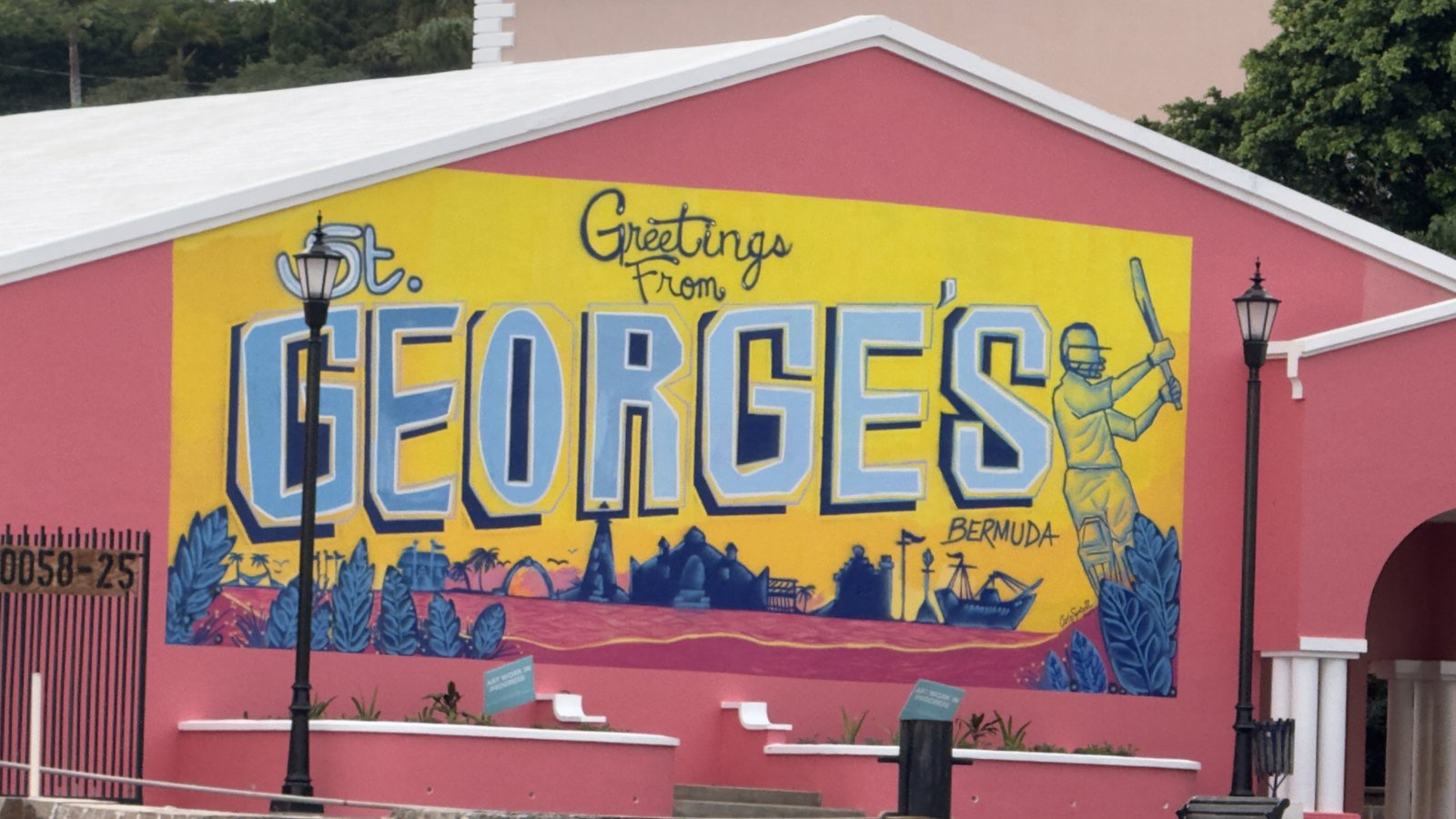
Still bruised from our crossing south across the Atlantic, Tess, Mark, Charley, and I had just about finished repairing One Ocean from the beating she took when I first heard whispers about a hurricane forming to the south.
We were at dinner at Wahoo’s in St. George’s, Bermuda — celebrating our repairs, laughing, and toasting with cold drinks. I was savoring a very cold and wonderfully delicious piña colada, a treat I’d promised myself during the storm. I’d asked everyone then what they were craving once we reached port. Mine had been that cocktail —but I think it was the thought of things to come, warmer days, blue water, and a cold drink on an outdoor patio.
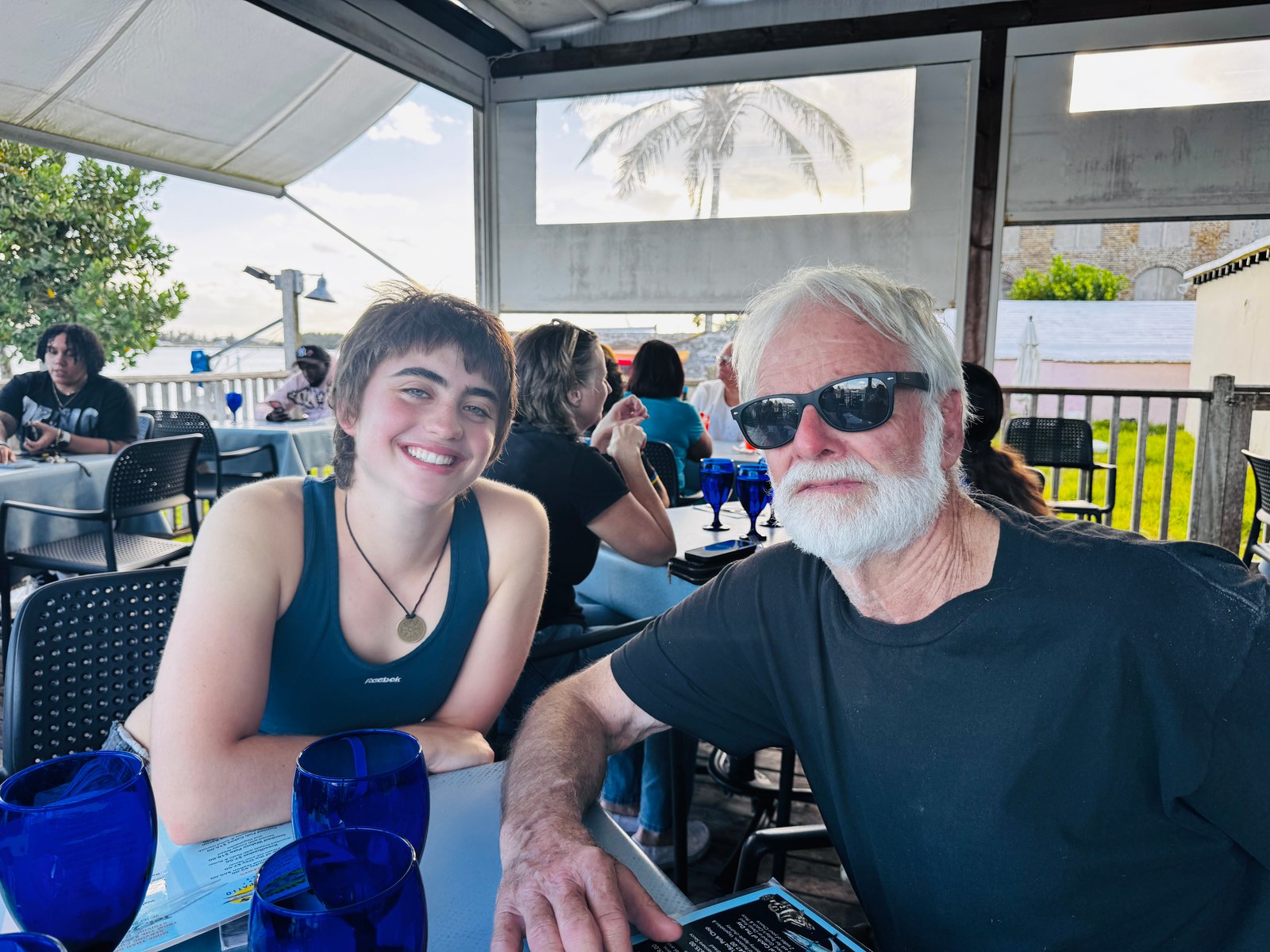
It was at that dinner, mid-toast for the work we had accomplished on One Ocean, that I overheard someone at the next table mention a tropical storm forming into a hurricane.
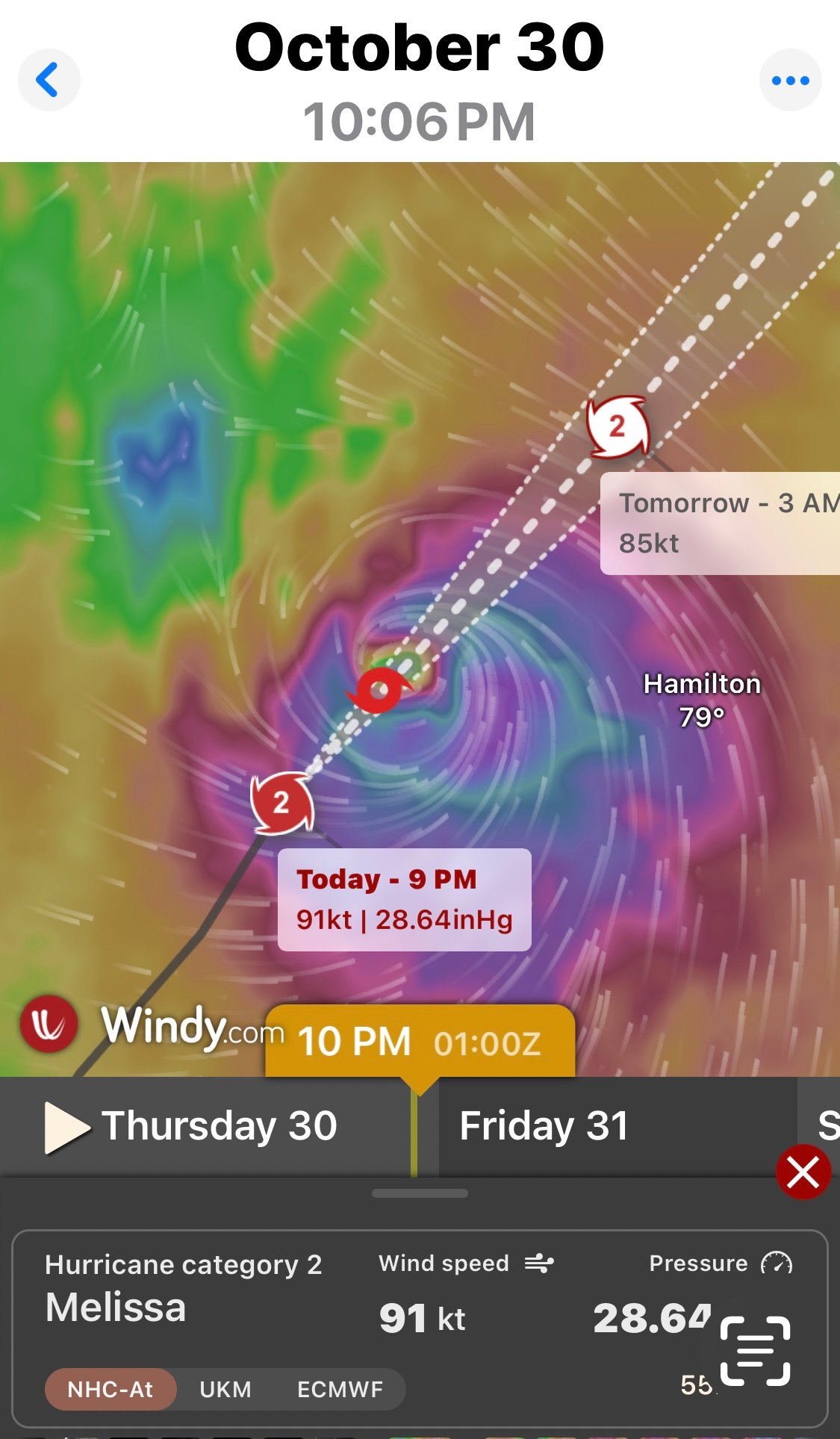
That night, lying in my bunk, I opened the Windy app — our go-to tool for tracking wind, currents, and now hurricanes. Just south of Jamaica, there it was: a swirling mess of purple — a color I’ve learned to dread on that app.
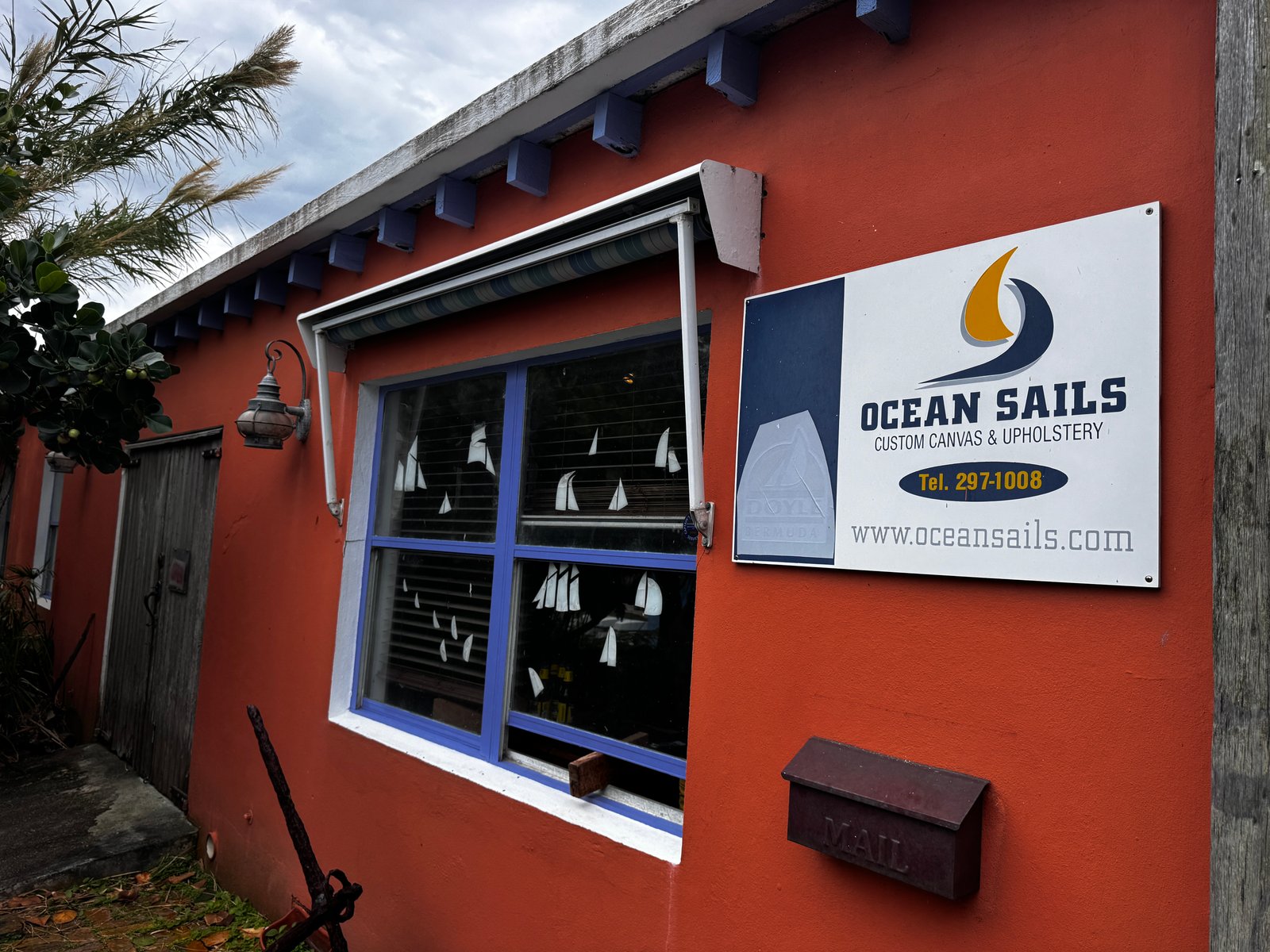
The next morning, Mark and I walked to Ocean Sails to see Steve — our canvas repair guy, friend, and local weather sage. He confirmed what I’d feared: the storm had intensified overnight into Hurricane Melissa, spinning slowly over warm Caribbean waters and gaining strength.
Back aboard One Ocean, we broke the news to Tess (Charley had returned home as planned). We were still emotionally raw from our last storm, and I could see the worry in Tess’s eyes. We began tracking Melissa’s path on an old paper chart Mark had kept since his solo voyage on Lonestar. That same chart held the tracks of Hurricane Earl in 1986 — a storm that had doubled back unexpectedly and caught Mark in the middle of the North Atlantic. I was beginning to see a pattern.
Later that day Mike joined us in Bermuda. I told Tess and Mike we wouldn’t be leaving port until we knew more about Melissa’s path. We couldn’t outrun her. If they wanted to go home, I said, no one would blame them. Tess caught a flight that same evening.
We tracked Melissa daily as she pummeled Jamaica — a slow-moving, Category 4 hurricane that lingered for days. Soon, forecasts showed she was headed straight for Bermuda.

Everything we’d worked to repair on One Ocean came back down: sails, solar panels, anything with windage. Mark and I were grateful to have Mike aboard — his enthusiasm was exactly what two storm-weary sailors needed to keep motivated.
By the time Melissa crossed Cuba, Windy was predicting her to hit Bermuda as a Category 1. But the locals — and Bermuda’s Emergency Measures Organization — were warning of a Category 2. Steve at Ocean Sails confirmed it using his “Tropical Tidbits” site and suggested we take refuge in Stock’s Harbour, a couple nautical miles west of St. George’s. It was shallow and protected from swell, though we’d still feel the wind.
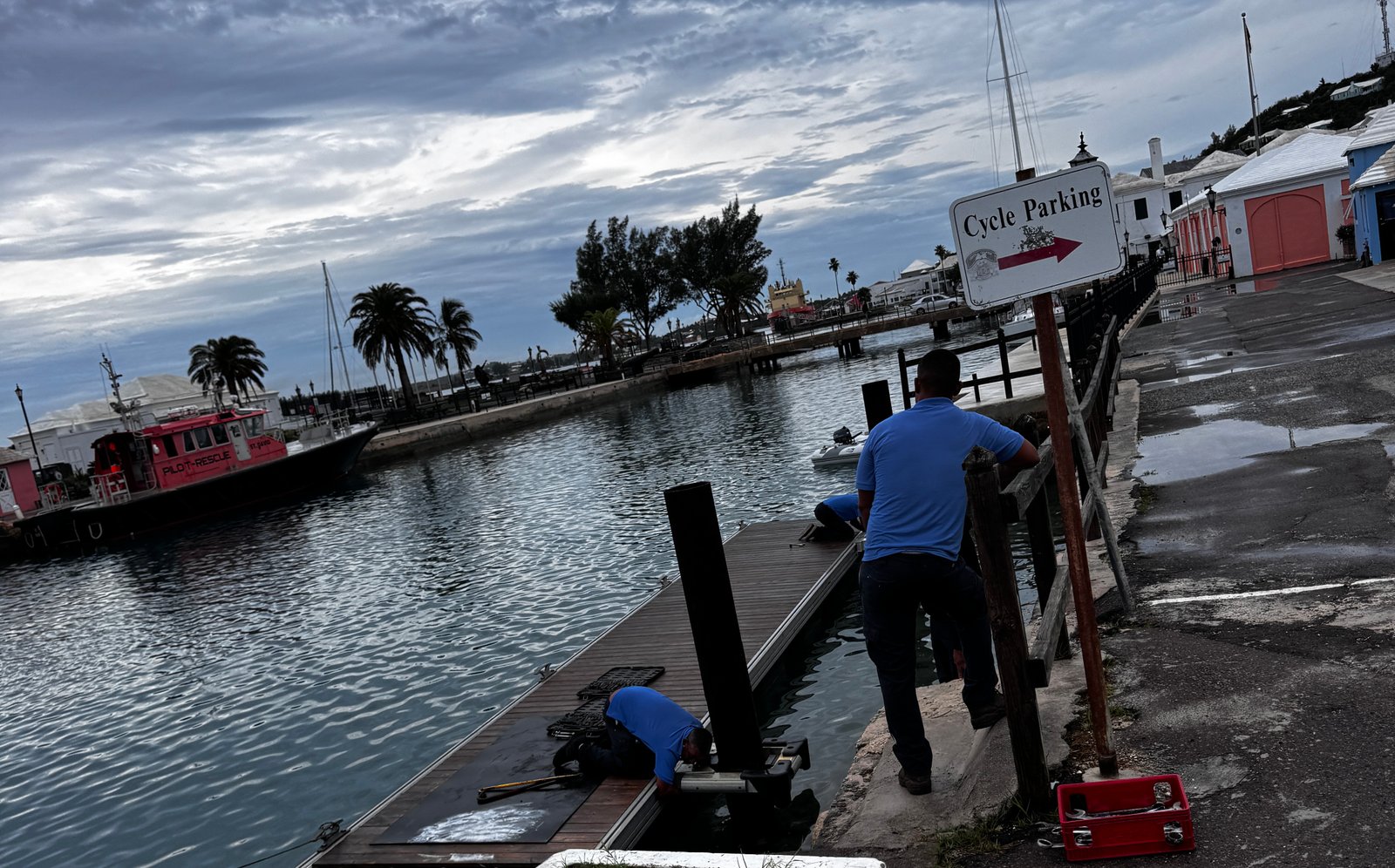
On Thursday, October 30th, Melissa was on track to pass about 130 miles east of Bermuda, close enough to bring hurricane-force winds. The town’s people worked on removing the arbor trellises from every park bench in the town square, unleashed and towed the dinghy dock, and cleared sewer drains. We finalized our preparations by stowing our sails and lashing down or removing everything on deck. By afternoon we anchored in Stock’s Harbour.
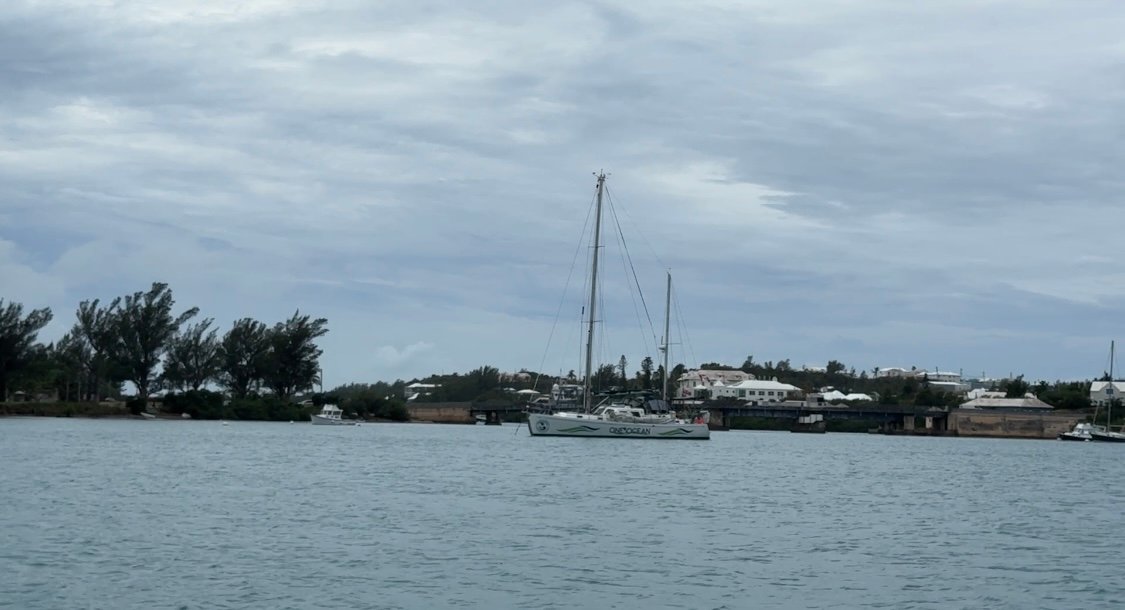
Our main anchor set south-southwest, ready for the shifting winds, and a secondary anchor to the west.
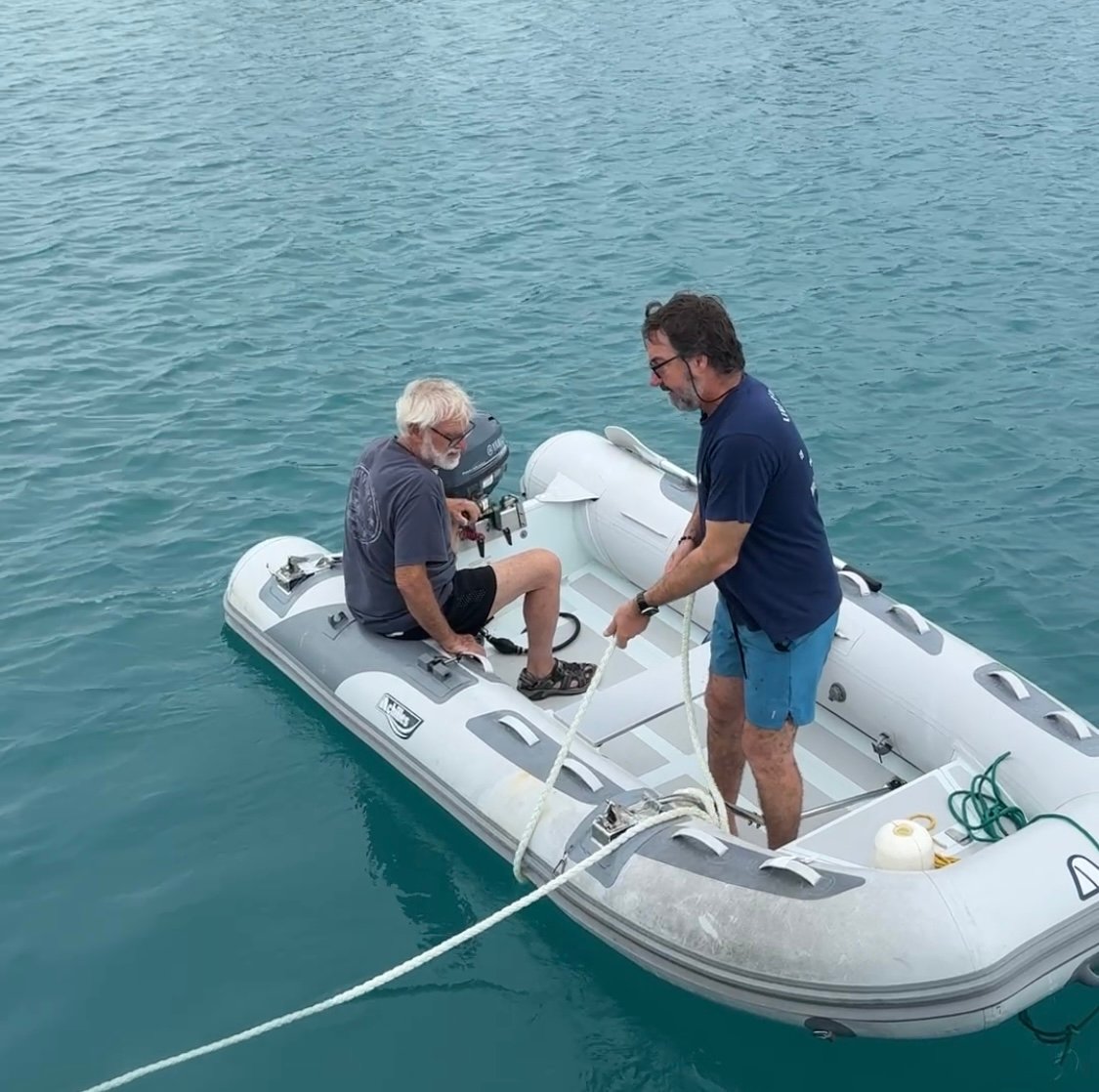
With Tess gone, we used her berth for storage — cushions, sails, anything that needed a safe spot.
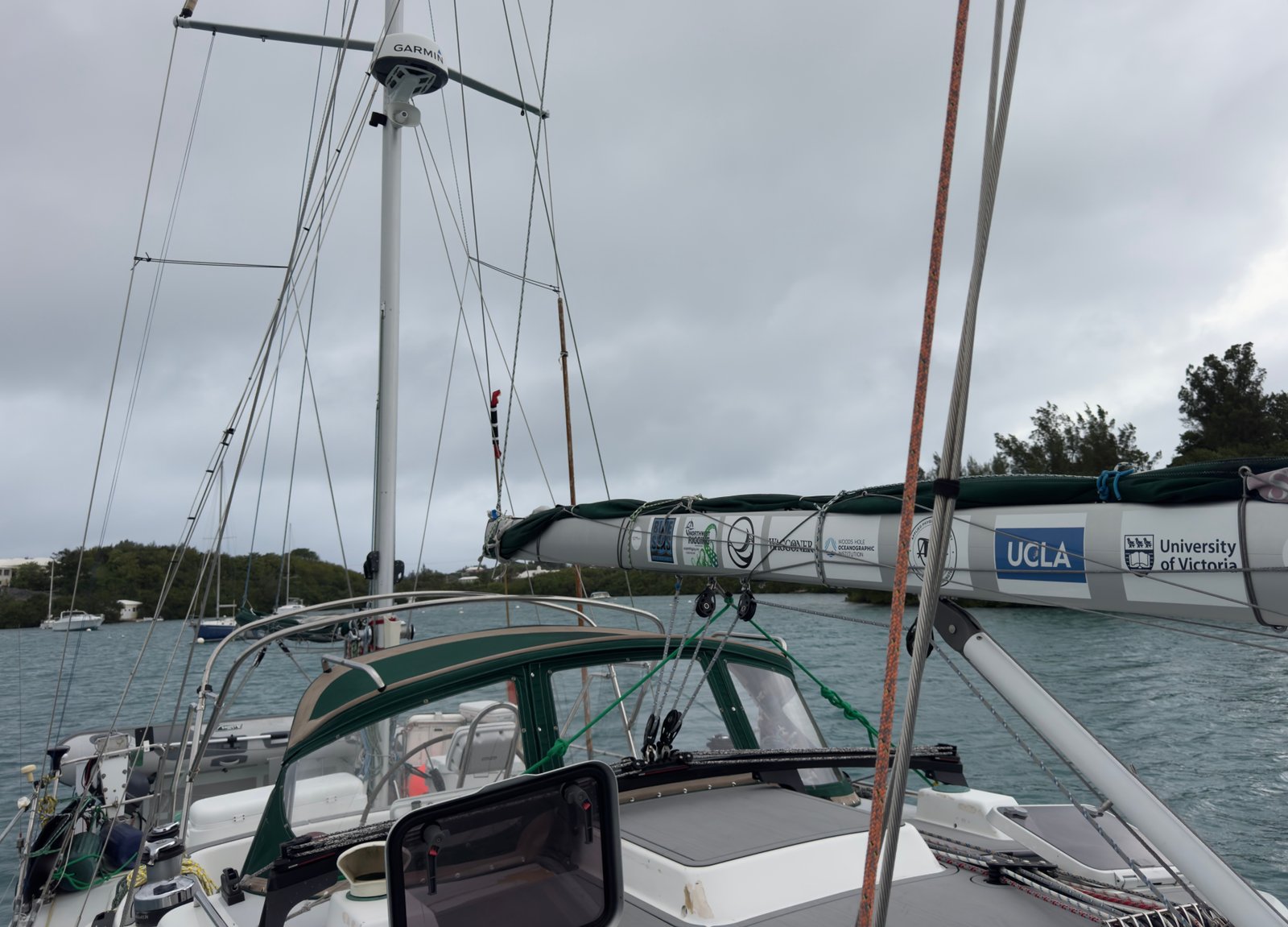
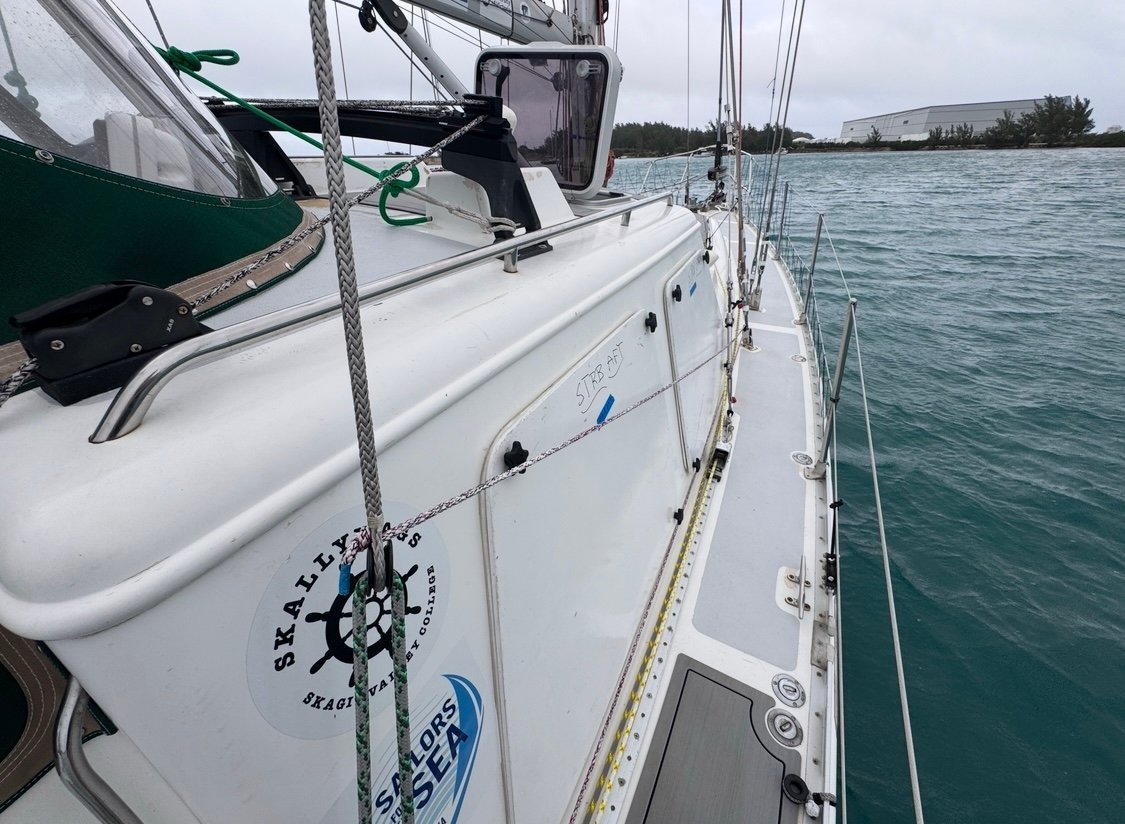
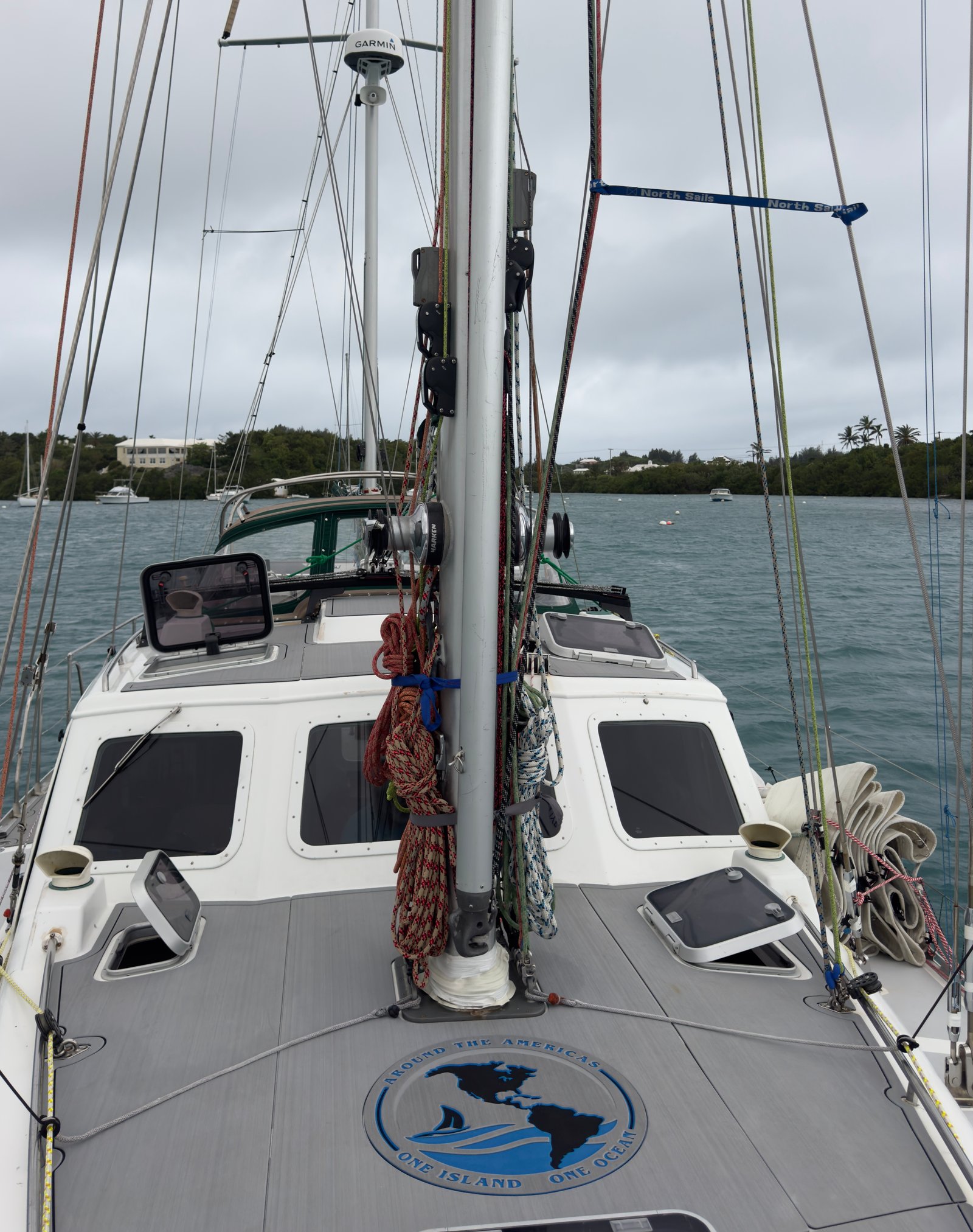
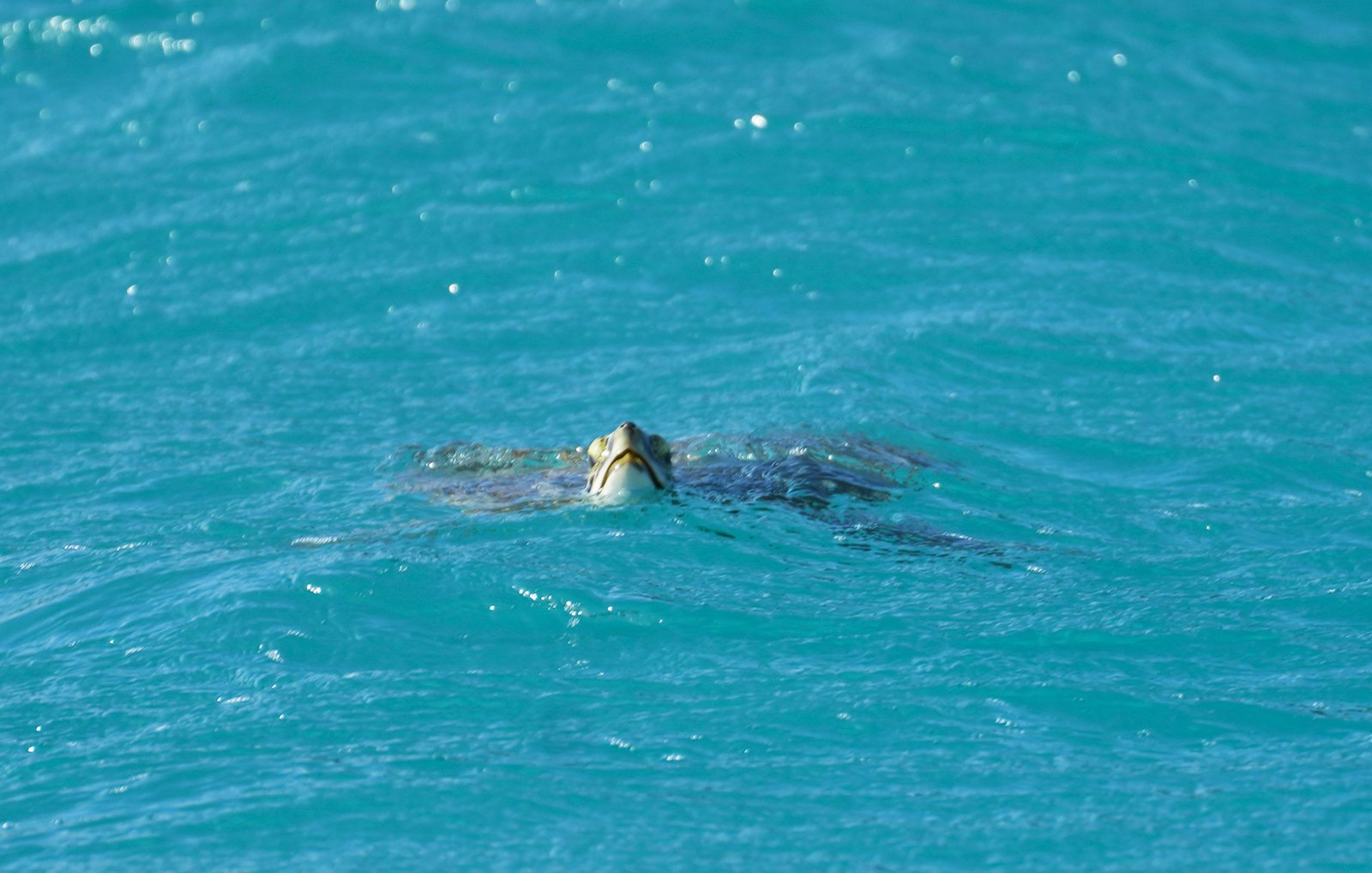
After another long, hot day of prep, I slipped into the water and swam with the sea turtles. I stayed a long while, knowing Melissa would find us in the night and be here all the following day.
Waiting is its own kind of storm.
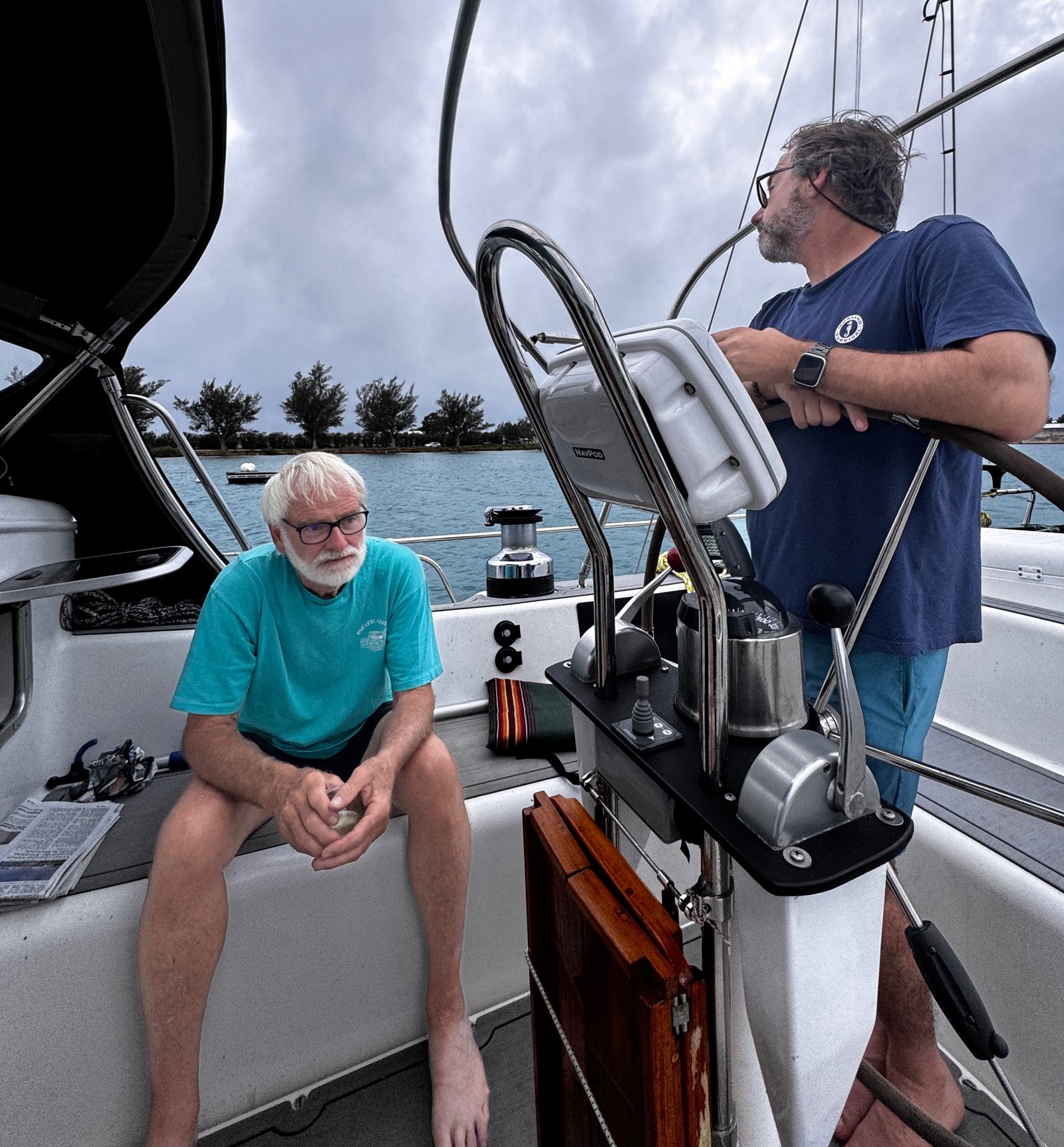
We played cards and tried to relax as the first winds came, earlier and more easterly than expected. As the gusts built, a familiar dread crept in — the roar of wind, the whistle through every opening. This wasn’t like the Atlantic storm: no monstrous waves, warm air instead of freezing spray, but the sound — that unrelenting, rising growl — stirred something deep.
Around midnight, the winds screamed past 70 knots. I kept checking Windy — the storm tracking perfectly — and knew the worst was coming between 1 and 3 a.m. (Why do they always come at night?)
At 1 a.m., a gust like a freight train slammed us. The gauge read 82 knots. I felt it in my feet — One Ocean had moved. Mike shouted from the helm that the anchor had dragged 50 feet. He started the engine while I scrambled to the cockpit and switched on my headlamp to check out the secondary anchor which had caught and held. But now we were uncomfortably close to shore — “berry-picking distance,” as Mark said.

For hours, Mike kept the engine in gear, easing the strain on the anchor. The three of us stayed alert, speaking little, listening to the howling wind and watching the clock inch toward dawn. If the second anchor failed, our options were few. We just had to wait for Melissa to move.
Around 3 a.m., the wind began to shift to the west. Slowly, One Ocean swung parallel to shore — a huge relief. The secondary anchor held beautifully. We turned off the engine and sat in exhausted silence.
By morning, the winds had dropped to 30–40 knots, and light crept over the island. St. George’s was without power, but mostly intact. We stayed aboard all day, resting in fragments.
The next night, after a long day of once again putting One Ocean back together again, we went ashore and to our delight, the dinghy dock was already back in place. The town square was reassembled with its trellis and bustling with children trick-or-treating — Halloween delayed but not canceled.
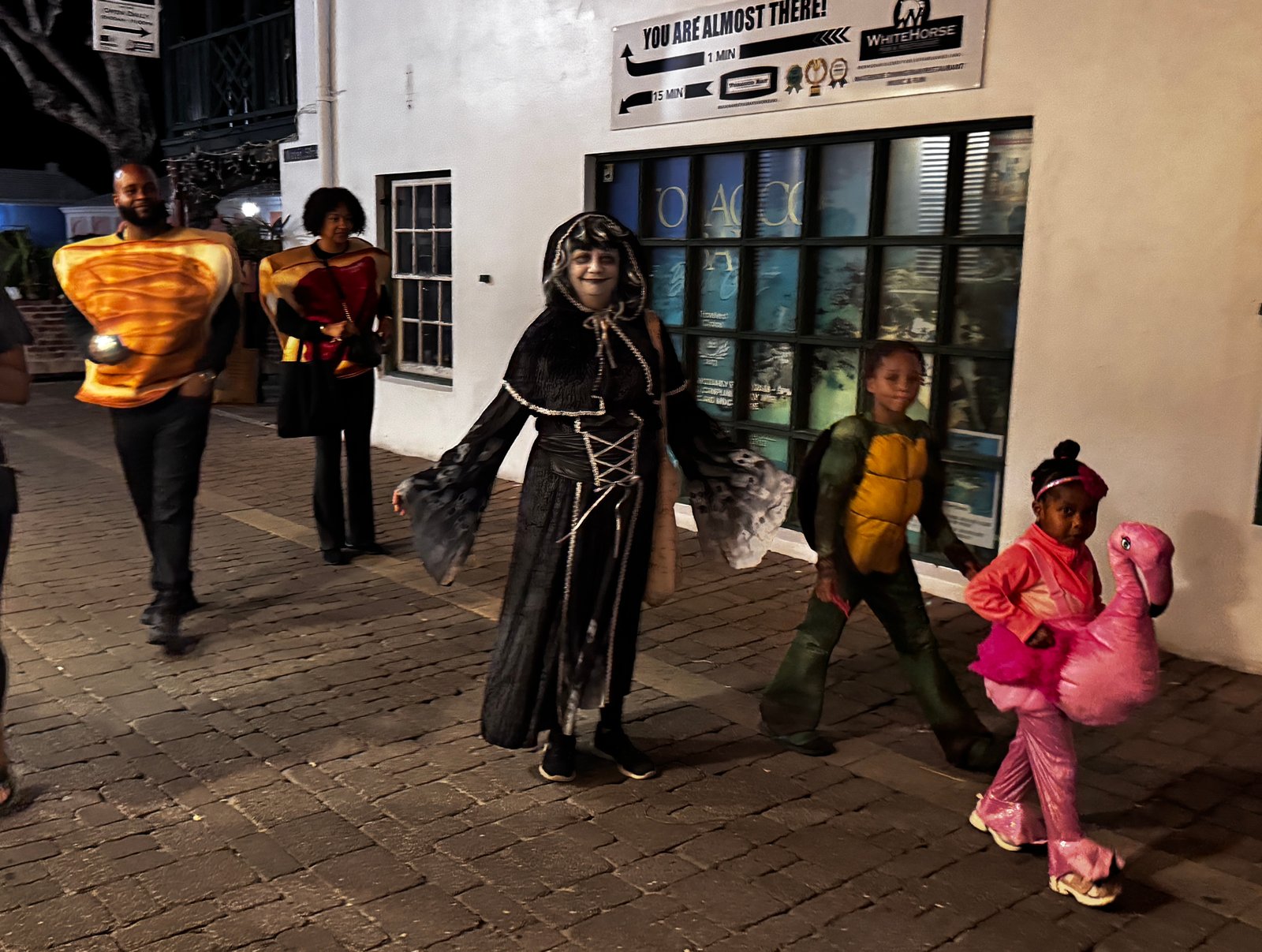
The Governor had urged everyone to prepare for Hurricane Melissa, and they had — but then life resumed, as it always does here. Hurricanes are part of Bermuda’s rhythm.
For me, though, the experience felt different. In the past two weeks alone, we’d faced storms fiercer than those of the past expedition in 2009-10. Climate change was accelerating and our little expedition had felt and experienced it from the Arctic to Bermuda. We’d dodged systems of shocking strength and documented water temperatures 20 degrees warmer than charted just a decade ago.
What we have faced has been formidable, yet, amid all of it, I see the people of Bermuda quickly setting life back to normal - unfortunately that is not the story for Jamaica. As our local friend Steve said, it’s just a matter of time before Bermuda will be in the eye of one of these intensifying hurricanes. My message to our friends on this one island - you’re not alone in this. We will continue to share your stories and listen to science. Now more than ever research and education matter.