 Donate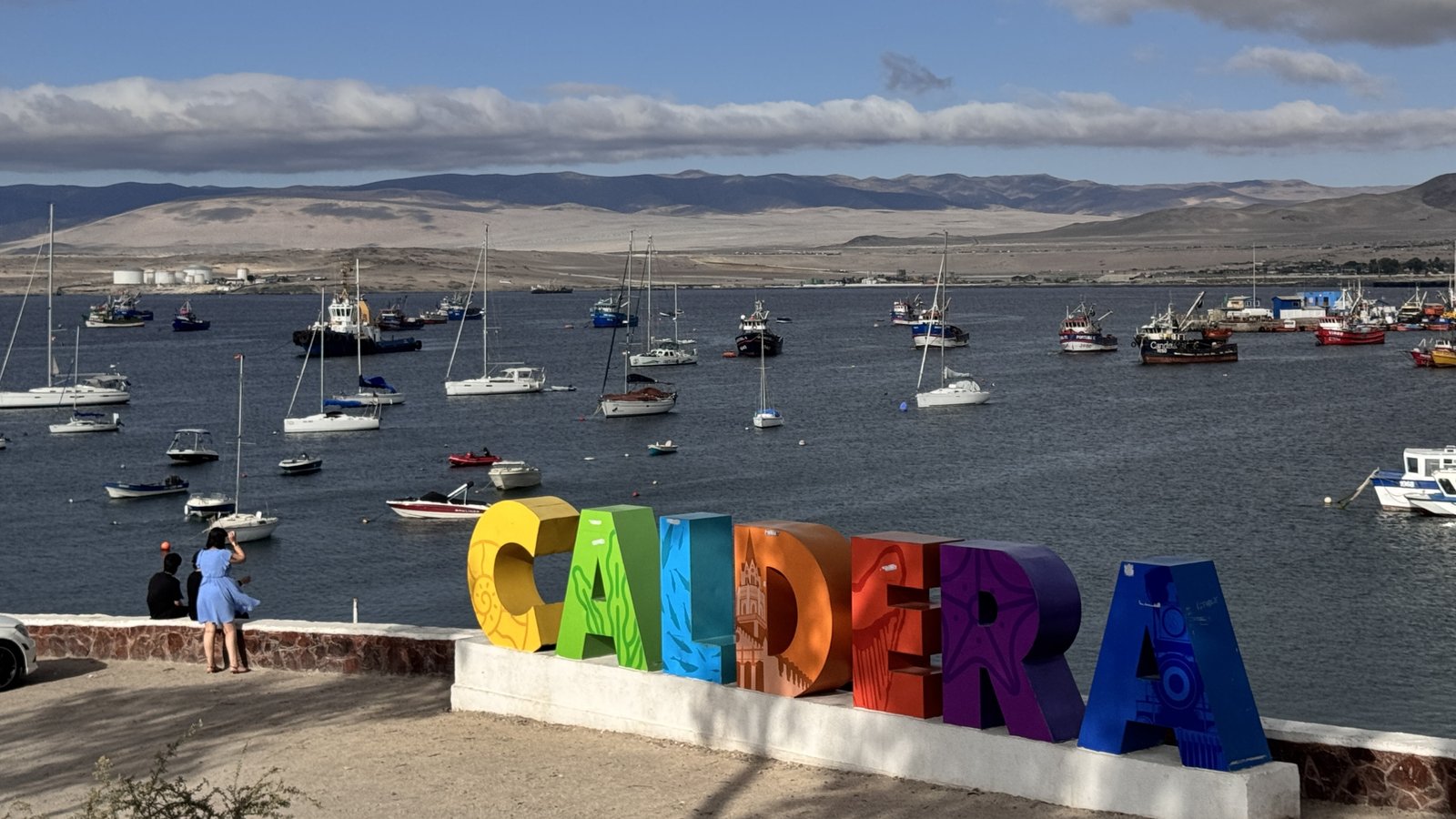
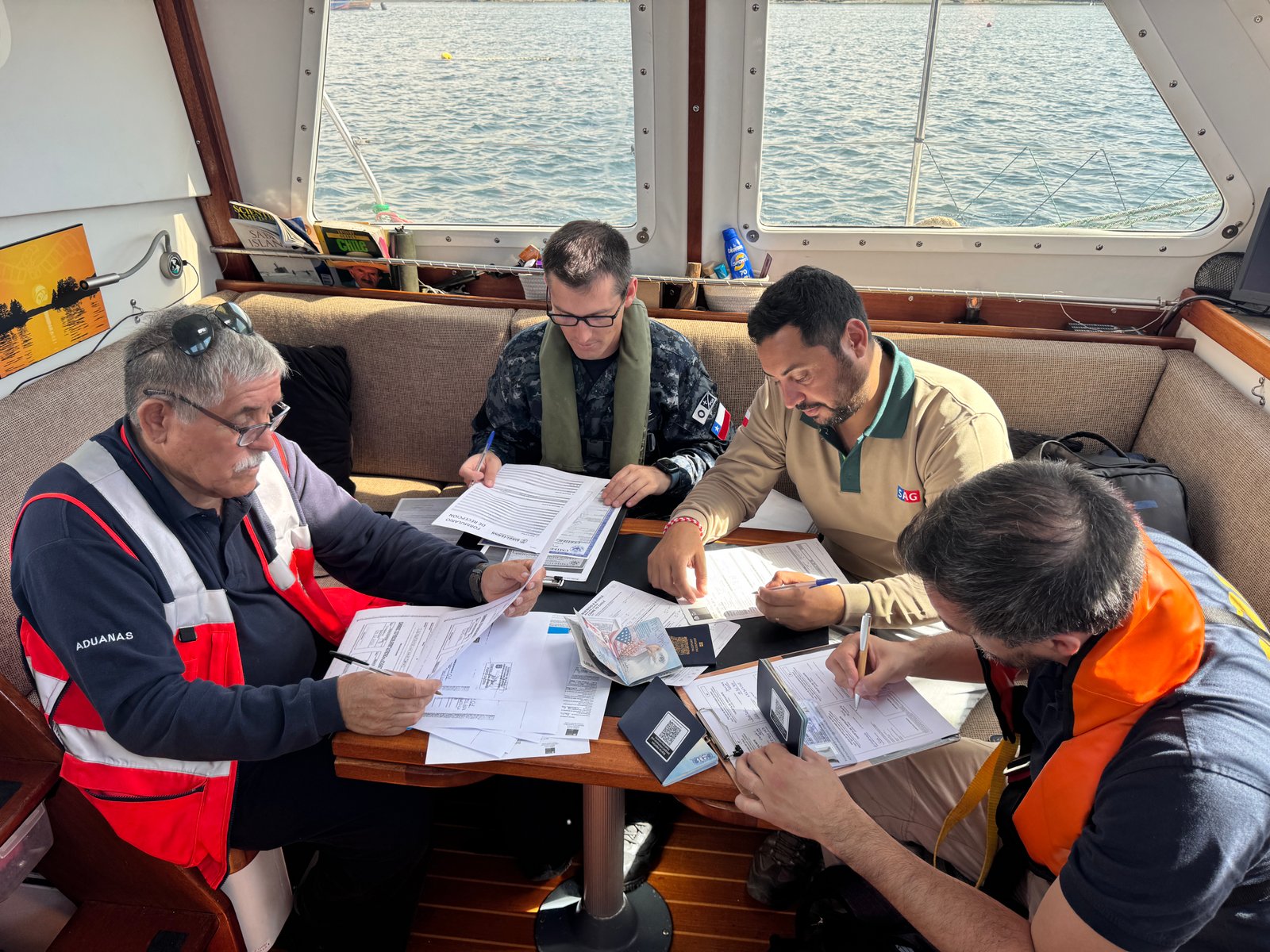
It’s the last day of January, and as we sit at anchor—waiting for customs… again—I have to say our time in Puerto Caldera has already been encouraging. Before we’ve even set foot ashore, people have reached out offering help in every way possible. One woman in particular, Rocio from the sailing vessel Cheli, has been guiding us patiently through the maze of officialdom. She’s as colorful and vibrant as the place itself, and we’re endlessly grateful for her help. We’re very much looking forward to touching land and finally seeing the town beyond the harbor.
We arrived at 2 a.m. on the morning of the 30th—except it turned out to be 4 a.m. local time thanks to a time change. By the time we sorted that out, sleep was a lost cause until nearly dawn. We eventually crashed around 5 a.m. and slept hard.
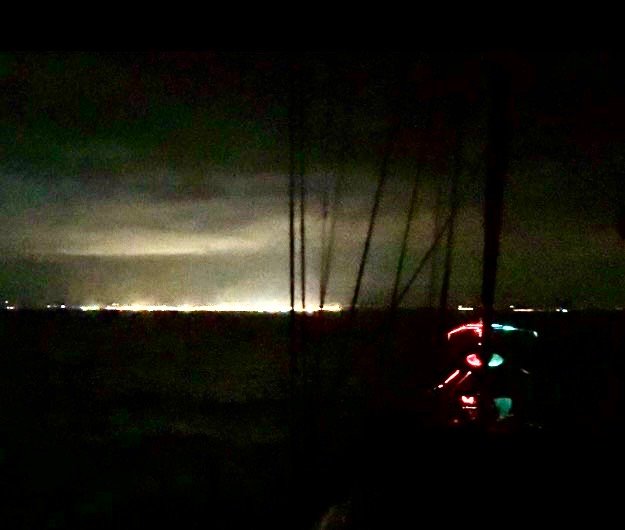
Later that day we learned officials wouldn’t be coming aboard until the following afternoon at 1500 hours.
One piece of good news was that to enter Chile we didn’t have to pay for an agent! But coming into this small town, well, let's just say they aren’t used to many foreign sailboats coming to port so they just weren’t ready or set up to deal with us. So… quarantine it was.
While quarantined, we flew our yellow quarantine flag alongside the Chilean flag and settled into the waiting game. Paperwork was submitted (multiple times). The boat got a thorough cleaning. Engine oil was changed. Emails were answered. Writing and research caught up. I made chicken chow mein for dinner, and Tess baked a cake—because if you’re going to quarantine, you might as well do it properly.
As the sun dipped toward the horizon, we watched windsurfers and little Laser sailboats dart across the bay, their sails catching the last of the light. We decided we’re actually quite good at quarantining.
After dinner, we took a short dinghy ride around the harbor and stumbled upon a sea lion proudly displaying his dinner: a big, fat, juicy salmon. He pushed it around with his nose, flipped it, shook it violently, and generally put on a full performance while gripping it in his jaws. Seagulls swarmed as bits of fish flew everywhere. CLICK HERE TO WATCH THE VIDEO
I’m convinced the whole show was staged entirely for our benefit. Around us, brightly painted fishing boats bobbed in the water while fishermen dangled lines from the pier.
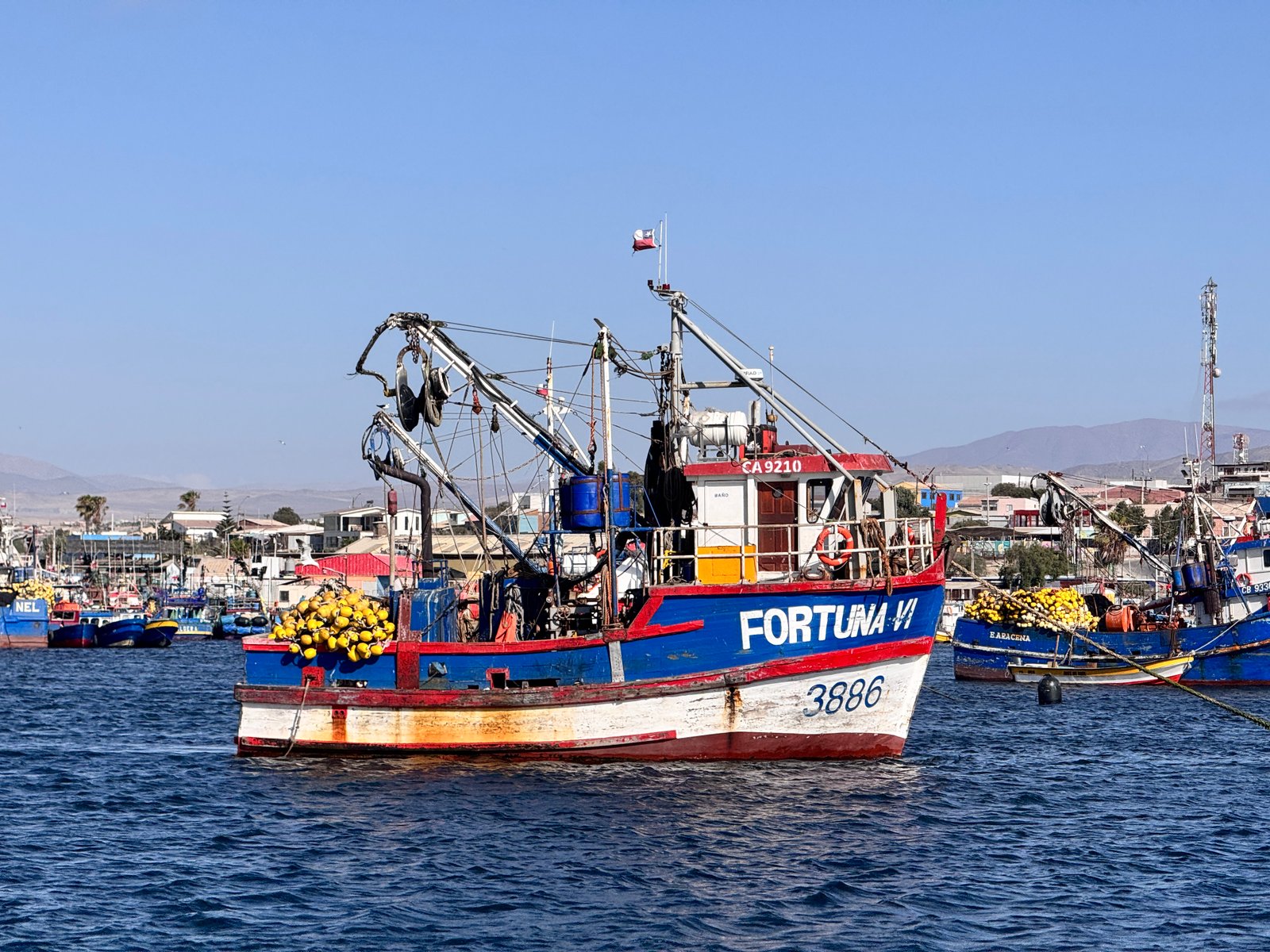
Live music echoed across the bay, and as we drifted closer we spotted a stage set right on the waterfront. I was driving the dinghy, distracted by everything unfolding on shore, when a loudspeaker suddenly blasted from behind us. I turned to see a military boat closing in on our stern. Slightly intimidated, I sped up to get out of the way—only to realize they were docking right next to us. As they pulled alongside, Ozzy Osbourne’s voice boomed from an enormous speaker: “Alllll aboard!”
They were blasting Crazy Train as they docked. Any intimidation vanished instantly. It was fantastic.
Along the boardwalk, people danced and laughed. Dogs played on the sandy beach, sprinting in and out of the surf. A train lit up with colorful lights rolled down the main street. The whole town vibrated with life and celebration. I desperately wanted to be part of it—but quarantine is quarantine.
As I write this now, it’s an hour past the officials’ expected arrival time. Apparently, they’re delayed and will arrive at 16:40. So… we wait.
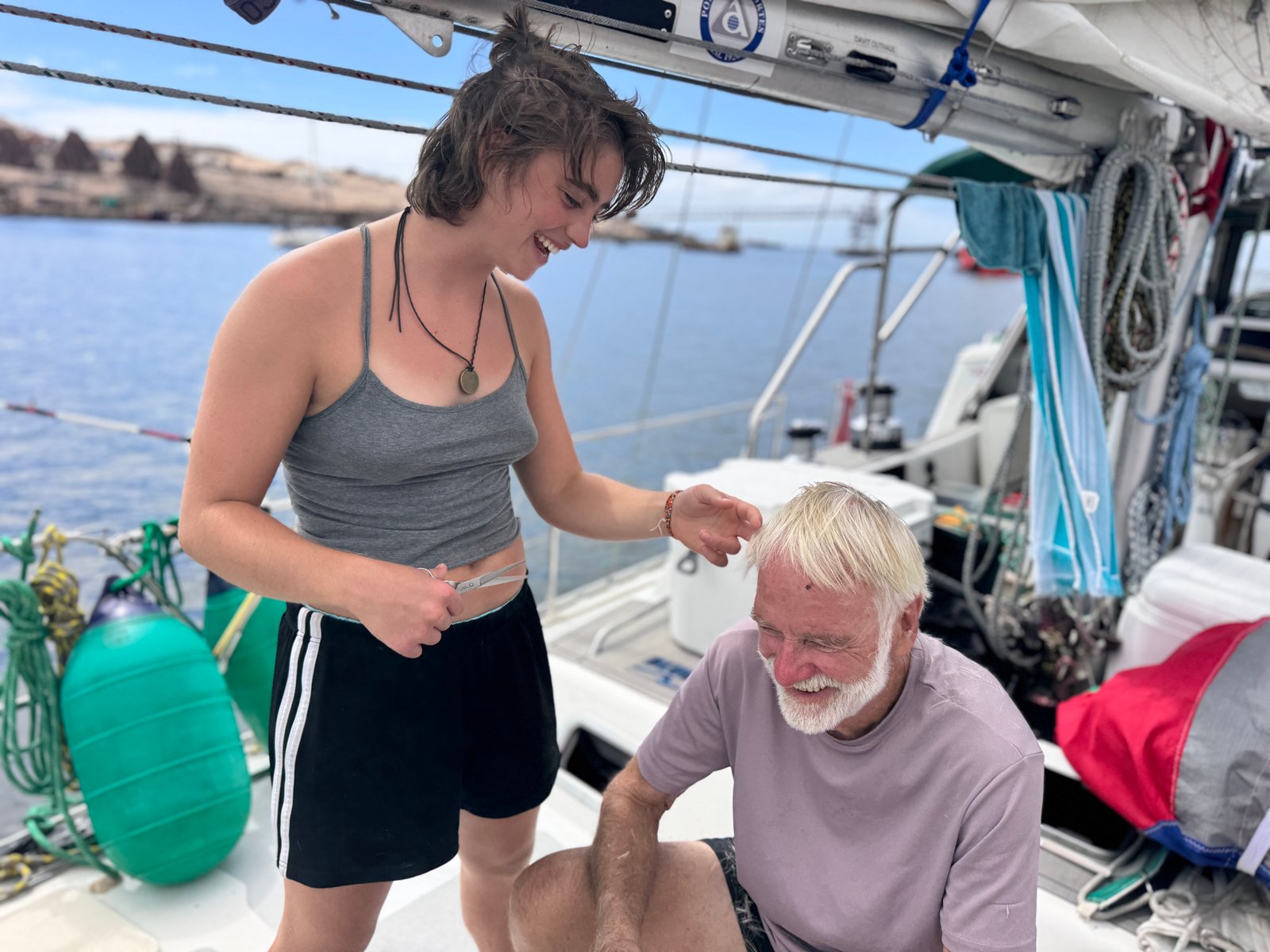
Mark is getting a haircut from Tess.
Jon is fixing a small leak in the freshwater pump. I’m writing while answering yet more emails from officialdom. For reasons unknown, I’ve now sent our boat registration three separate times. Same document. Same boat. Same ocean.
We’re hoping to be cleared soon. I’m eager to explore this town and the surrounding Atacama region—the driest desert in the world. Some areas have never recorded rainfall, receiving less than 0.5 mm per year and instead collecting moisture from the coastal fog known as camanchaca. The region is home to towering volcanoes, vast salt flats, and stark coastal landscapes that feel almost otherworldly.
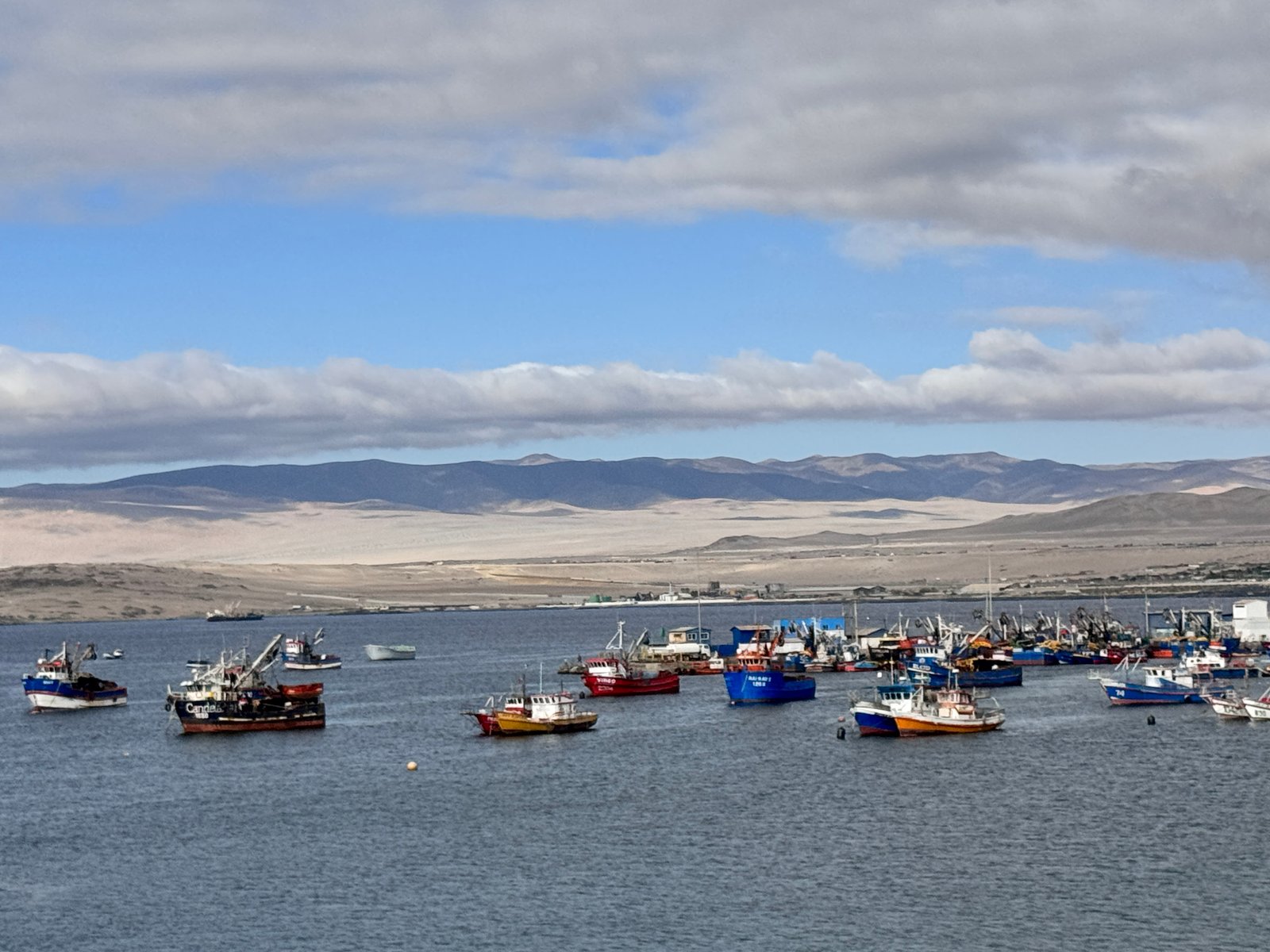
I lived in southern Chile, in Ensenada, for a year but never made it farther north than Santiago. Seeing this part of the country feels like a real gift. We expected Caldera—a port and mining town—to feel more industrial, maybe a bit rough around the edges. Instead, it’s been festive, friendly, colorful, and full of life.
We can’t wait to step ashore. To kiss the shores of Chile once more—and, if all goes according to plan, celebrate with some very fresh seafood for dinner.
P.S. - by 5:30 we were all cleared!